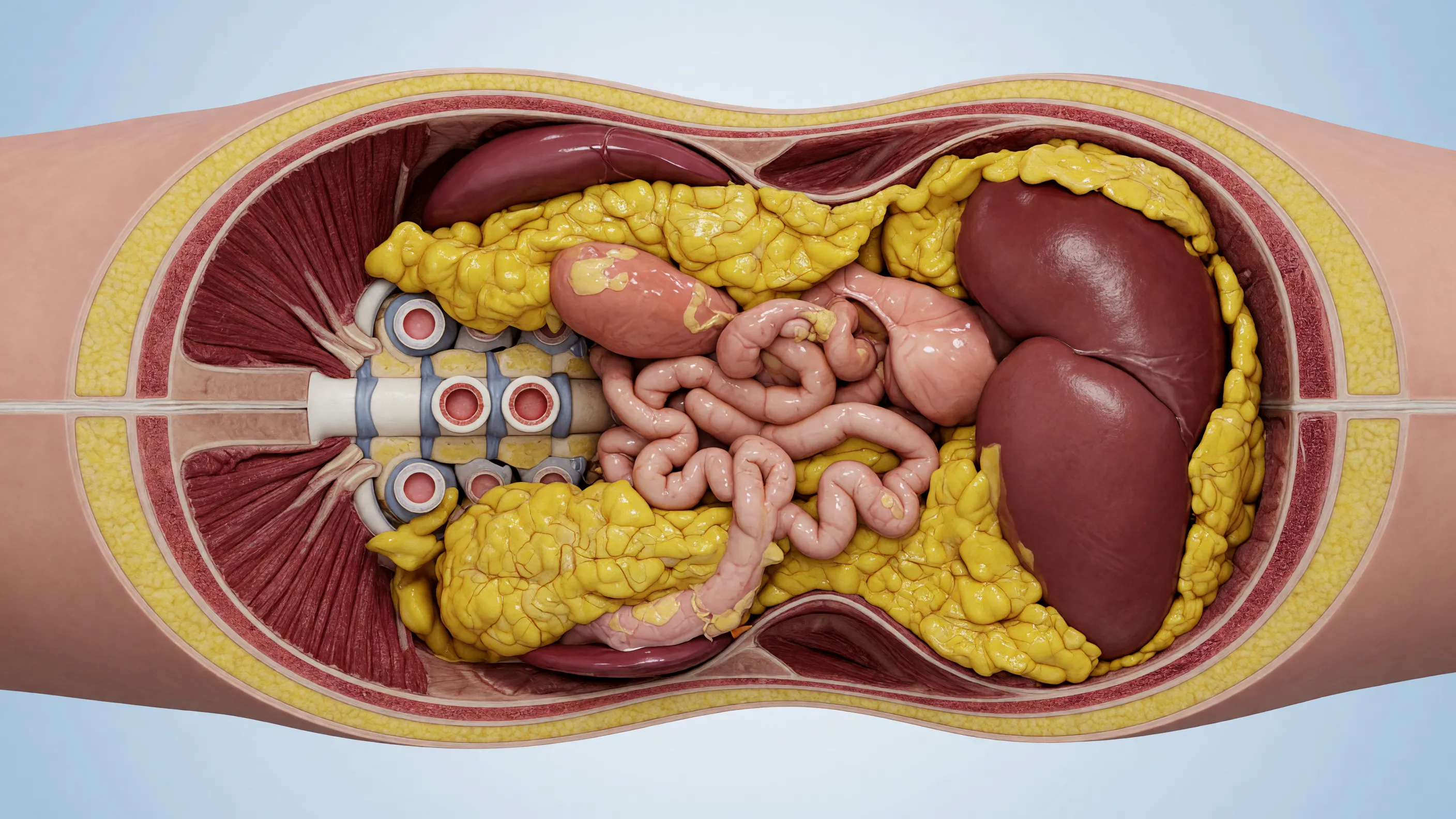
Visceral fat is the deep belly fat wrapped around your abdominal organs, and it is far more dangerous than the fat under your skin because it fuels inflammation and disease. Unlike a harmless waistline, this hidden fat raises your risk of diabetes, heart disease, and even certain cancers. In this article, we explain what visceral fat is, why it harms your body, warning signs to watch, and proven ways to reduce it. You will also learn when to seek expert help. Understanding this danger is the first step toward protecting your long-term health.
What Is Visceral Fat?
Visceral fat is stored deep inside your abdomen, surrounding vital organs like the liver, pancreas, and intestines. It differs from the pinchable fat just beneath your skin.
This deep fat is metabolically active, meaning it releases hormones and chemicals into your body:
- Sits around internal organs
- Releases inflammatory substances
- Not visible or pinchable
- Linked to abdominal obesity
- More harmful than surface fat
Concerned about hidden belly fat? Book a health check at Lux Hospitals today.
Why It's More Dangerous Than Subcutaneous Fat
Subcutaneous fat sits under your skin and is relatively harmless. Visceral fat, however, actively disrupts your body's chemistry.
This deep fat causes damage in several ways:
- Triggers chronic inflammation
- Promotes insulin resistance
- Pumps fatty acids into the liver
- Raises blood pressure
- Disrupts healthy hormone balance
1. It Raises Heart Disease Risk
Visceral fat is strongly tied to cardiovascular disease. It raises harmful cholesterol and blood pressure over time.
The effects on your heart include:
- Higher LDL (bad) cholesterol
- Increased blood pressure
- Artery-clogging plaque buildup
- Greater risk of heart attack
- Elevated stroke risk
2. It Drives Type 2 Diabetes
This deep fat interferes with insulin, the hormone controlling blood sugar. The result is insulin resistance and rising glucose levels.
How visceral fat fuels diabetes:
- Blocks insulin's normal action
- Raises fasting blood sugar
- Overworks the pancreas
- Part of metabolic syndrome
- Speeds up prediabetes
Struggling with obesity and diabetes? Explore bariatric surgery for type 2 diabetes at Lux Hospitals.
3. It's Linked to Certain Cancers
Excess visceral fat produces hormones and inflammation that can encourage abnormal cell growth. Research links abdominal obesity to several cancers.
Cancers associated with high visceral fat:
- Colon and rectal cancer
- Pancreatic cancer
- Stomach cancer
- Breast cancer (postmenopausal)
- Gall bladder cancer
4. It Harms Your Liver and Gut
Visceral fat drains fatty acids directly into the liver, driving fatty liver disease. It also disturbs digestive health.
Digestive and liver problems it can worsen:
- Non-alcoholic fatty liver disease
- Higher risk of gall stones
- Worsened acid reflux
- Increased inflammation in the gut
- Strain on pancreatic function
Notice persistent digestive discomfort? The specialists at Lux Hospitals can help you find answers.
Warning Signs You May Have Too Much
You cannot always see visceral fat, but certain clues suggest it may be high. A large waistline is the biggest red flag.
Signs worth checking:
- Waist over 40 inches (men)
- Waist over 35 inches (women)
- Firm, protruding belly
- Rising blood sugar readings
- High blood pressure
- Persistent fatigue
How to Reduce Visceral Fat
The good news is visceral fat responds well to lifestyle changes. Consistent effort shrinks it faster than surface fat.
Proven strategies to lower it:
- Regular aerobic exercise
- Strength training weekly
- Reduce refined sugar and carbs
- Eat more fibre and protein
- Prioritise quality sleep
- Limit alcohol intake
Need a personalised weight-loss plan? Consult the metabolic experts at Lux Hospitals.
When Weight-Loss Surgery Helps
When diet and exercise are not enough, surgery may be an option for severe obesity. These procedures reduce dangerous fat and improve metabolic health.
Options your doctor may discuss:
- Sleeve gastrectomy — removes part of stomach
- Gastric balloon — non-surgical, temporary
- Mini gastric bypass — reduces absorption
- Roux-en-Y gastric bypass — proven results
- Metabolic surgery for diabetes control
Why Choose Lux Hospitals?
Lux Hospitals combines advanced diagnostics with experienced surgeons for comprehensive obesity and metabolic care. Every treatment plan is tailored to your health.
What sets our care apart:
- Expert bariatric and metabolic team
- Minimally invasive surgical options
- Personalised nutrition guidance
- Modern diagnostic facilities
- Compassionate long-term follow-up
Take control of your health—book a consultation at Lux Hospitals today.
Conclusion
Visceral fat is not just a cosmetic concern—it is a serious, hidden driver of heart disease, diabetes, cancer, and liver damage. Because it sits deep around your organs and stays active in your body, even a modest amount can quietly harm your health.
The encouraging news is that this fat responds strongly to healthy habits like exercise, balanced eating, and better sleep. For those with severe obesity, safe and effective surgical options exist. Don't wait for symptoms to appear before acting. If you're worried about your waistline or metabolic health, the experienced team at Lux Hospitals can guide you toward a safer, healthier future.