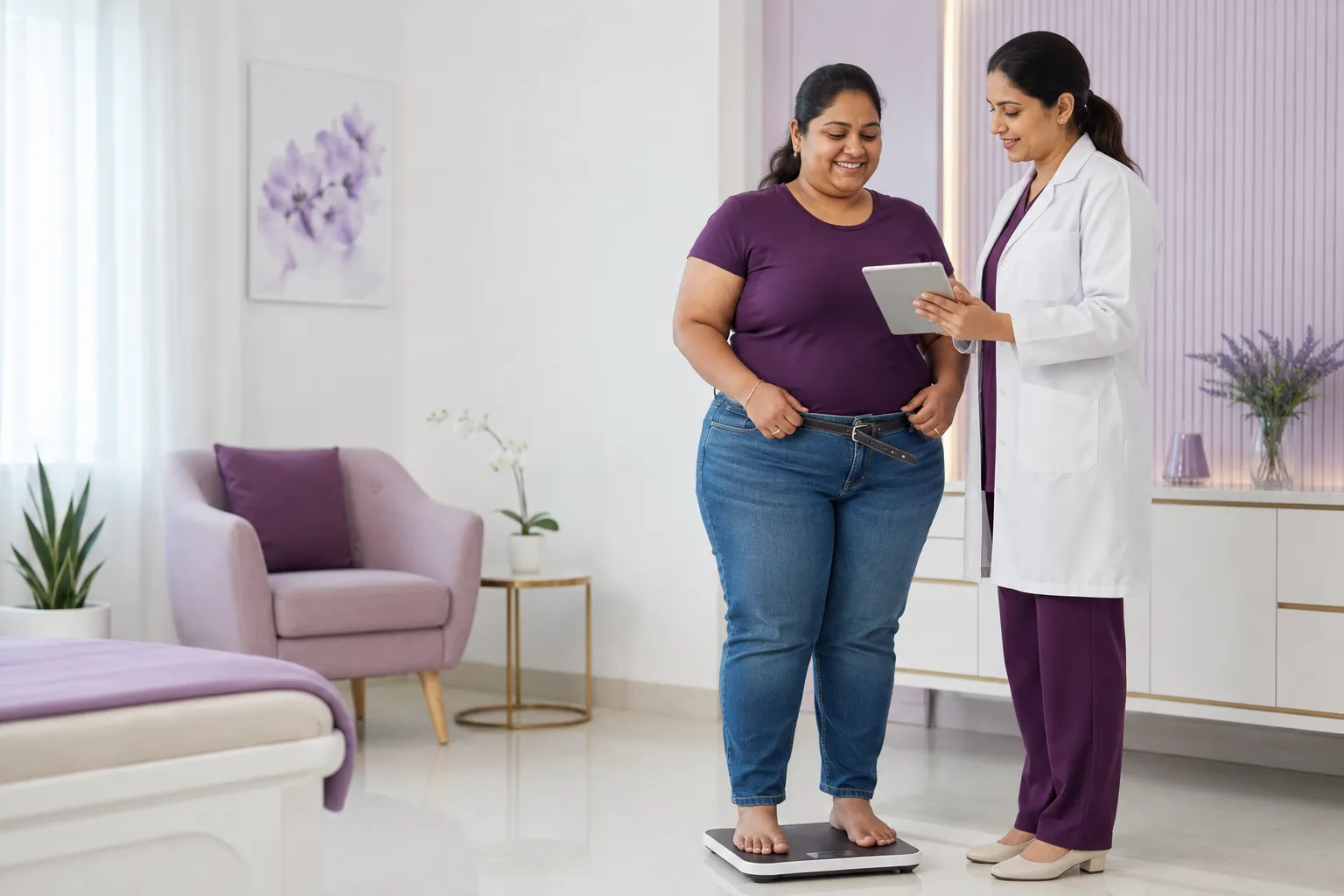
Most people lose 50–70% of their excess body weight within 12–18 months after bariatric surgery, though results vary by procedure and lifestyle. Weight loss after bariatric surgery depends on the operation type, your starting weight, diet, and exercise habits. This article explains realistic weight loss expectations for each procedure, month-by-month timelines, and why results differ. We also cover plateaus, how to maintain your results long term, and treatment options available at Lux Hospitals. Understanding these numbers helps you set achievable goals and stay motivated on your journey.
What Is Bariatric Surgery?
Bariatric surgery is a group of weight loss procedures that reduce stomach size or alter digestion. It helps people with severe obesity when diet and exercise alone have not worked.
These procedures also improve or resolve conditions linked to obesity. Common types include:
- Sleeve gastrectomy — removes part of the stomach
- Gastric bypass — reroutes the digestive tract
- Gastric banding — places an adjustable band
- Gastric balloon — non-surgical, temporary device
- Mini gastric bypass — simpler bypass option
Explore your options with the bariatric team at Lux Hospitals.
How Much Weight Can You Realistically Lose?
Results are usually measured as excess weight loss percentage, not total pounds. Most patients lose 50–70% of excess weight within the first 18 months.
Expectations depend on the procedure and your commitment. Typical ranges include:
- 50–70% excess weight loss on average
- Fastest loss in first 6 months
- Results stabilise after 12–18 months
- Higher starting weight means more total loss
- Lifestyle strongly influences outcomes
Weight Loss by Procedure Type
Each operation delivers different results. More restrictive or malabsorptive procedures generally produce greater weight loss.
Here is how the main procedures compare:
- Sleeve gastrectomy — 60–70% excess weight loss
- Roux-en-Y gastric bypass — 60–80% loss
- Mini gastric bypass — 65–75% loss
- Gastric banding — 40–50% loss
- Gastric balloon — 30–47% excess loss, temporary
Ask our specialists which procedure suits your goals.
Month-by-Month Weight Loss Timeline
Weight loss is rapid at first, then slows steadily. Understanding the timeline keeps your expectations realistic.
A typical progression looks like this:
- Month 1: 5–15% of excess weight lost
- Months 2–3: steady, noticeable drops
- Months 4–6: fastest sustained loss
- Months 7–12: gradual slowing
- Months 12–18: results stabilise
Factors That Affect Your Results
Two people with the same surgery can lose different amounts. Your habits and health play a major role.
Key factors influencing weight loss after bariatric surgery include:
- Diet quality and portion control
- Regular physical activity
- Starting BMI and body composition
- Age, gender, and metabolism
- Consistent medical follow-up
- Managing emotional eating
Get a personalised weight loss plan at Lux Hospitals.
Understanding the Weight Loss Plateau
A plateau is a normal phase where weight loss stalls despite your efforts. It usually happens 6–12 months after surgery.
Plateaus occur as metabolism adapts. You can push through with:
- Reviewing calorie and protein intake
- Increasing exercise intensity
- Tracking food and water daily
- Prioritising strength training
- Consulting your dietitian promptly
Maintaining Weight Loss Long Term
Surgery is a tool, not a cure. Lasting results depend on permanent lifestyle changes.
To keep the weight off, focus on these habits:
- Eat protein-rich, balanced meals
- Take prescribed vitamins daily
- Stay physically active weekly
- Attend all follow-up appointments
- Avoid grazing and sugary drinks
- Seek support when needed
Our team supports your journey long after a bariatric procedure.
Health Benefits Beyond Weight Loss
Losing weight after surgery improves overall health dramatically. Many chronic conditions ease or resolve completely.
Reported improvements often include:
- Remission of type 2 diabetes
- Lower blood pressure
- Improved sleep apnea
- Reduced joint pain
- Better cholesterol levels
- Improved fertility and mood
Learn how bariatric surgery for type 2 diabetes can transform your health.
Treatment Options at Lux Hospitals
Lux Hospitals offers a full range of proven weight loss procedures. Your surgeon recommends the best option after a thorough assessment.
Available treatments include:
- Sleeve gastrectomy for reliable results
- Roux-en-Y gastric bypass for maximum loss
- Mini gastric bypass, a simpler option
- Gastric balloon for non-surgical management
- Metabolic and diabetic surgery
Book a consultation to find your ideal procedure.
Why Choose Lux Hospitals?
Lux Hospitals combines experienced surgeons with advanced minimally invasive techniques. Patients receive complete care from evaluation through long-term follow-up.
What sets our care apart:
- Skilled bariatric and metabolic surgeons
- Personalised, evidence-based treatment plans
- Dedicated dietitian and nutrition support
- Advanced laparoscopic technology
- Long-term follow-up programmes
- Compassionate, patient-centred approach
Start your weight loss journey with Lux Hospitals today.
Conclusion
Weight loss after bariatric surgery is life-changing, with most patients losing 50–70% of their excess weight within 18 months. Your final results depend on the procedure chosen, your starting weight, and your commitment to healthy habits. Surgery gives you a powerful head start, but lasting success comes from balanced eating, regular activity, and consistent follow-up.
Every patient's journey is unique, so realistic expectations matter. If you are considering weight loss surgery, speak with a qualified bariatric team to understand which option fits your needs. The experts at Lux Hospitals provide personalised guidance and comprehensive support at every stage of your transformation.