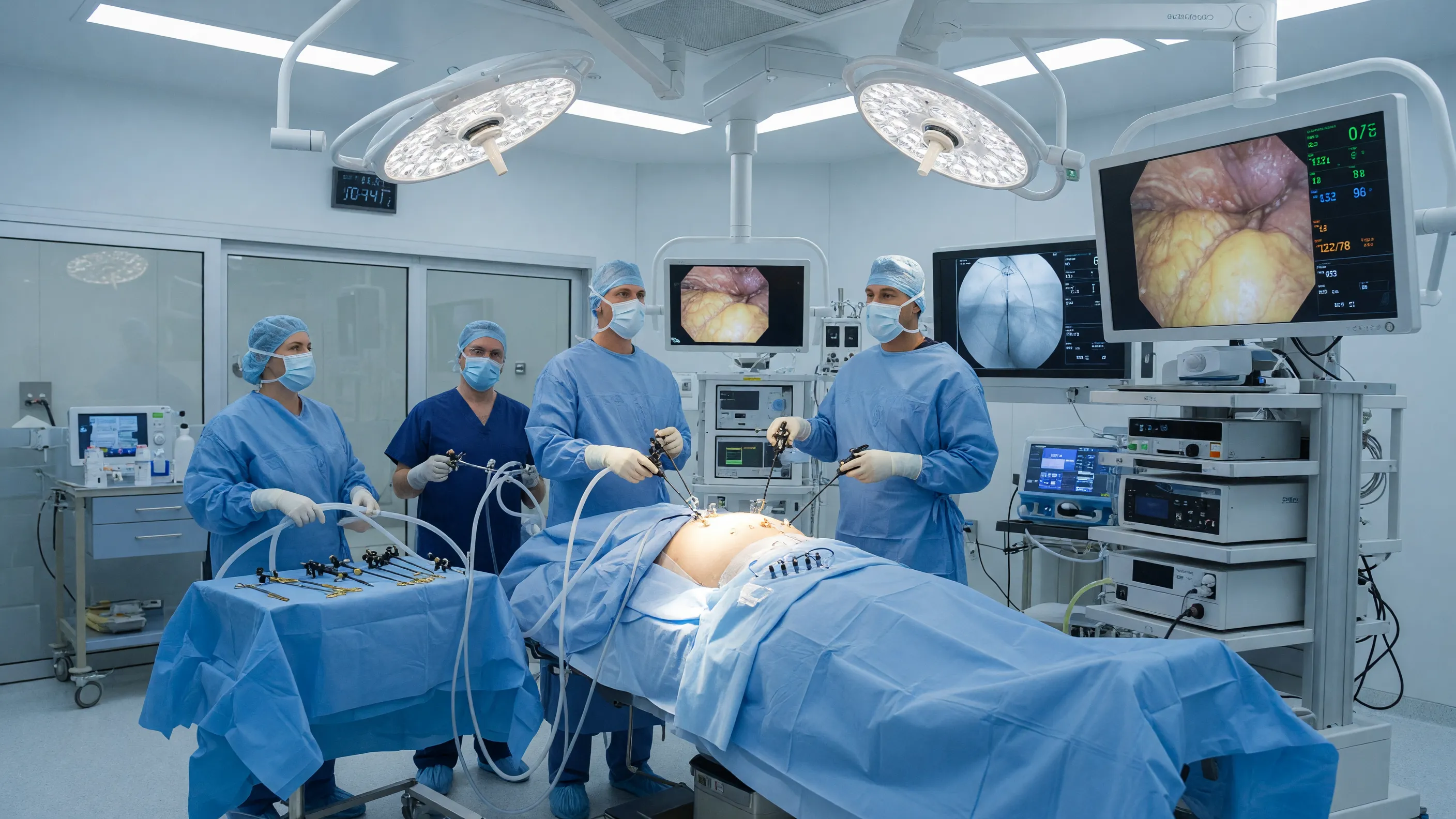
Gastric bypass surgery is a weight-loss procedure that reduces stomach size and reroutes the small intestine, helping you eat less and absorb fewer calories. It is one of the most effective treatments for severe obesity and related conditions. This article explains how gastric bypass surgery works, its key benefits, potential risks, and what recovery looks like. You will also learn who qualifies, how it compares with other options, and what to expect afterward. Whether you are exploring bariatric care for the first time or preparing for surgery, this guide gives you clear, evidence-based answers to make an informed decision.
What Is Gastric Bypass Surgery?
Gastric bypass surgery is a type of bariatric procedure that helps people with severe obesity lose weight. It shrinks the stomach and changes how food passes through the digestive tract.
The most common version is the Roux-en-Y gastric bypass. It limits food intake and reduces calorie absorption.
Doctors recommend it when diet and exercise alone have not worked. Key features include:
- Creates a small stomach pouch
- Reroutes part of the small intestine
- Reduces both hunger and absorption
- Often done laparoscopically
- Long-term weight-loss results
Explore your options with the bariatric team at Lux Hospitals today.
How Gastric Bypass Surgery Works
During surgery, the surgeon divides the stomach into a small upper pouch and a larger lower section. The pouch is then connected directly to the small intestine.
This means food bypasses most of the stomach and the upper intestine. As a result, you feel full sooner and absorb fewer calories.
The procedure works through two main mechanisms:
- Restriction — smaller stomach holds less food
- Malabsorption — fewer calories are absorbed
- Hormonal changes reduce appetite
- Improved blood sugar control
- Faster feeling of fullness
Who Is a Candidate?
Gastric bypass surgery suits adults with severe obesity or obesity-related health problems. A specialist evaluates your health before recommending it.
It is not a quick fix and requires lifelong commitment to healthy habits.
You may be a candidate if you have:
- BMI of 40 or higher
- BMI 35+ with health conditions
- Type 2 diabetes or high blood pressure
- Failed non-surgical weight loss
- Willingness to change lifestyle
Book a bariatric evaluation at Lux Hospitals to see if you qualify.
Key Benefits of Gastric Bypass Surgery
Gastric bypass surgery offers significant, lasting weight loss for most patients. It also improves or resolves many obesity-related conditions.
Many patients report better mobility, energy, and quality of life. It is often used as metabolic and diabetic surgery too.
Common benefits include:
- Substantial long-term weight loss
- Improved type 2 diabetes control
- Lower blood pressure and cholesterol
- Reduced joint pain and mobility issues
- Relief from sleep apnea
- Better overall quality of life
Risks and Possible Complications
Like any major surgery, gastric bypass carries risks. Most complications are manageable with proper care and follow-up.
Understanding these risks helps you make an informed choice. Your surgeon will discuss them in detail.
Possible complications include:
- Infection or bleeding
- Blood clots after surgery
- Nutritional deficiencies
- Dumping syndrome after eating
- Gallstones from rapid weight loss
- Rare leaks at surgical joins
Discuss the risks and benefits openly with the surgeons at Lux Hospitals.
Gastric Bypass vs Other Weight-Loss Options
Gastric bypass is one of several bariatric procedures. The right choice depends on your health, weight, and goals.
A specialist helps you compare options and pick the safest one.
Common alternatives include:
- Sleeve gastrectomy — removes part of stomach
- Gastric banding — adjustable stomach band
- Gastric balloon — non-surgical, temporary
- Mini gastric bypass — simpler single connection
- Roux-en-Y bypass — proven long-term results
Preparing for Surgery
Preparation improves safety and recovery outcomes. Your care team runs tests and gives you clear instructions.
You may start diet changes weeks before surgery to shrink the liver and reduce risk.
Typical preparation steps include:
- Medical and nutritional assessment
- Blood tests and imaging scans
- Pre-surgery diet plan
- Stopping smoking and certain medications
- Psychological readiness check
Start your surgical journey with a thorough workup at Lux Hospitals.
Recovery After Gastric Bypass Surgery
Most patients stay in hospital for two to three days. Recovery is faster with laparoscopic techniques.
You will gradually return to normal activities over several weeks. Follow-up visits track your progress and nutrition.
What recovery usually involves:
- Short hospital stay
- Walking early to prevent clots
- Gradual return to work in 2–4 weeks
- Regular follow-up appointments
- Vitamin and mineral supplements
- Ongoing dietitian support
Diet and Lifestyle After Surgery
Diet changes are essential for lasting success. You progress through stages from liquids to solid foods.
Lifelong healthy habits protect your results and prevent deficiencies.
Key diet and lifestyle steps include:
- Start with liquids, then soft foods
- Eat small, frequent meals
- Chew slowly and thoroughly
- Prioritize protein intake
- Take prescribed supplements daily
- Stay physically active
Get personalized nutrition guidance from the bariatric dietitians at Lux Hospitals.
Treatment Options at Lux Hospitals
Lux Hospitals offers a full range of weight-loss and metabolic procedures. Our surgeons tailor treatment to your needs.
We use advanced, minimally invasive techniques for safer recovery.
Procedures available include:
- Roux-en-Y gastric bypass
- Sleeve gastrectomy
- Mini gastric bypass
- Gastric banding and balloon
- Metabolic and diabetic surgery
Why Choose Lux Hospitals?
Lux Hospitals combines experienced surgeons with modern facilities and complete aftercare. We support you before, during, and long after surgery.
Our team focuses on safety, comfort, and lasting results.
Reasons patients choose us:
- Skilled bariatric and metabolic surgeons
- Advanced laparoscopic technology
- Personalized care plans
- Dedicated nutrition and follow-up support
- Comprehensive digestive care under one roof
Take the first step toward a healthier life—contact Lux Hospitals today.
Conclusion
Gastric bypass surgery is a proven, effective solution for severe obesity and related health conditions. It offers substantial, lasting weight loss and can improve or resolve problems like type 2 diabetes, high blood pressure, and sleep apnea. Like any surgery, it carries risks, so careful preparation and lifelong follow-up matter.
Success depends on choosing the right procedure and committing to healthy habits afterward. With expert surgeons, advanced technology, and dedicated aftercare, Lux Hospitals guides you through every stage of your journey. If you are considering weight-loss surgery, consult our specialists to find the safest, most suitable option for your health and goals.