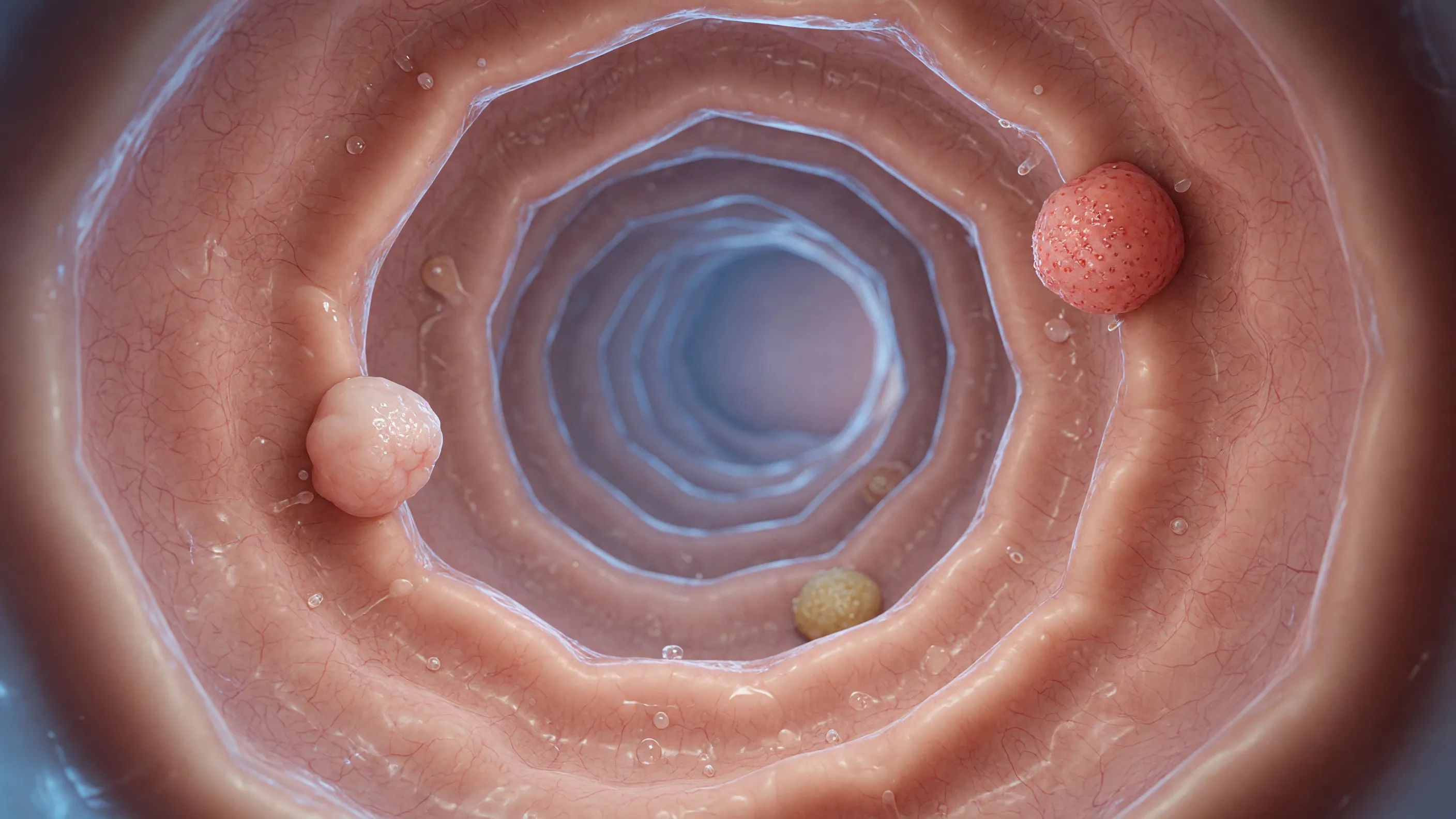
Colon polyps form when cells in the colon lining grow and divide abnormally, often driven by genetic mutations, aging, chronic inflammation, and lifestyle factors like a low-fiber, high-fat diet. Most polyps are harmless, but some can slowly turn into cancer over time. This article explains the main colon polyp causes, who is most at risk, warning signs to watch for, and practical prevention steps. You'll also learn how colon polyps are diagnosed and the treatment options available at Lux Hospitals so you can protect your digestive health with confidence.
What Are Colon Polyps?
Colon polyps are small growths on the inner lining of the large intestine or rectum. They vary in size and shape, from tiny flat spots to larger mushroom-like lumps.
Most polyps cause no symptoms and are found during screening. While many stay harmless, some types can gradually become cancerous.
You may find polyps described in a few ways:
- Flat, raised, or stalked growths
- Single or multiple in number
- Usually painless and silent
- Common after age 45
- Detected during a colonoscopy
Learn more about colon polyps and screening options at Lux Hospitals.
How Do Colon Polyps Form?
Polyps develop when cells in the colon lining grow faster than normal. This happens because of DNA changes that disrupt healthy cell division.
Over time, these extra cells clump together to form a polyp. Chronic irritation and aging make these mutations more likely.
Several biological processes drive this abnormal growth:
- Gene mutations in colon cells
- Faulty cell repair signals
- Long-term inflammation of the lining
- Slowed natural cell death
- Age-related cellular changes
Main Causes of Colon Polyps
There is rarely one single cause. Instead, colon polyp causes usually combine genetics, age, and environmental triggers.
Inherited conditions can dramatically increase polyp formation, sometimes producing hundreds of growths. Chronic bowel diseases also play a strong role.
The most common underlying causes include:
- Inherited genetic syndromes (FAP, Lynch)
- Family history of polyps
- Chronic inflammatory bowel disease
- Increasing age over 45
- Long-standing colon irritation
Concerned about your family history? Book a consultation at Lux Hospitals today.
Lifestyle and Dietary Causes
Daily habits strongly influence whether polyps develop. Diets low in fiber and high in red or processed meat raise the risk considerably.
Excess body weight, smoking, and heavy alcohol use all irritate the colon and encourage abnormal cell growth.
Modifiable factors that contribute to polyps include:
- Low-fiber, high-fat diets
- Frequent red and processed meat
- Smoking and heavy drinking
- Obesity and inactivity
- Poorly controlled diabetes
Key Risk Factors
Some people are far more likely to grow polyps than others. Understanding your personal risk helps guide screening timing.
Risk rises sharply with age and a strong family or medical history. Certain chronic conditions add further danger.
You may be at higher risk if you have:
- Age 45 or older
- Relatives with polyps or colon cancer
- Crohns disease or ulcerative colitis
- Type 2 diabetes
- A sedentary, overweight lifestyle
Don't wait for symptoms—schedule your colon screening at Lux Hospitals.
Types of Colon Polyps
Not all polyps behave the same way. Some carry a real cancer risk while others almost never do.
Knowing the type helps doctors decide how urgently a polyp must be removed and monitored.
The main types include:
- Adenomatous polyps — most likely to turn cancerous
- Hyperplastic polyps — usually harmless
- Sessile serrated polyps — moderate cancer risk
- Inflammatory polyps — linked to bowel disease
- Villous adenomas — higher malignant potential
Symptoms to Watch For
Most colon polyps produce no symptoms, which is why screening matters so much. When symptoms do appear, they often signal larger polyps.
Bleeding is the most common warning sign and should never be ignored.
See a specialist if you notice:
- Blood in stool or rectal bleeding
- Changes in bowel habits
- Unexplained abdominal pain
- Iron-deficiency anemia
- Persistent constipation or diarrhea
Noticing warning signs? Consult the digestive experts at Lux Hospitals promptly.
Complications and Cancer Risk
The biggest concern with polyps is their potential to become colon cancer. Adenomatous and serrated polyps carry the greatest risk.
This transformation usually takes years, giving screening a valuable window to catch and remove polyps early.
Possible complications include:
- Progression to colon cancer
- Spread to nearby rectal cancer
- Chronic bleeding and anemia
- Bowel obstruction from large polyps
- Recurrence after incomplete removal
How to Prevent Colon Polyps
You can meaningfully lower your risk with simple lifestyle changes. A fiber-rich diet and regular exercise protect the colon lining.
Regular screening remains the single most effective prevention tool, catching polyps before they cause harm.
Proven prevention steps include:
- Eat more fruits, vegetables, and fiber
- Limit red and processed meat
- Quit smoking and reduce alcohol
- Maintain a healthy weight
- Get regular colonoscopy screening
Start protecting your colon—book a preventive screening at Lux Hospitals.
Diagnosis and Treatment at Lux Hospitals
Colonoscopy is the gold standard for detecting and removing polyps in one session. Small polyps are often removed immediately.
Larger or complex growths may need advanced endoscopic or surgical techniques handled by specialists.
Treatment options at Lux Hospitals include:
- Polypectomy during colonoscopy
- Endoscopic mucosal resection for larger polyps
- Partial colectomy for extensive cases
- Advanced colorectal surgery when needed
- Ongoing surveillance and follow-up
Why Choose Lux Hospitals?
Lux Hospitals combines experienced gastroenterologists and surgeons with modern endoscopy technology. Care is tailored to each patient's risk and history.
Early detection and minimally invasive removal help patients recover quickly and stay protected.
Patients choose Lux Hospitals for:
- Skilled colorectal specialists
- Advanced diagnostic colonoscopy
- Minimally invasive polyp removal
- Personalized screening plans
- Compassionate follow-up care
Take charge of your digestive health—schedule your appointment at Lux Hospitals today.
Conclusion
Colon polyps develop from a mix of genetic mutations, aging, chronic inflammation, and everyday lifestyle choices. While most polyps are harmless, some can slowly progress to cancer, making early detection essential. The good news is that many risk factors—diet, weight, smoking, and inactivity—are within your control.
Regular colonoscopy screening remains the most powerful tool for catching and removing polyps before they become dangerous. If you have a family history or notice warning signs like rectal bleeding, don't delay. The specialists at Lux Hospitals offer expert diagnosis, minimally invasive treatment, and personalized prevention plans to keep your colon healthy for years to come.