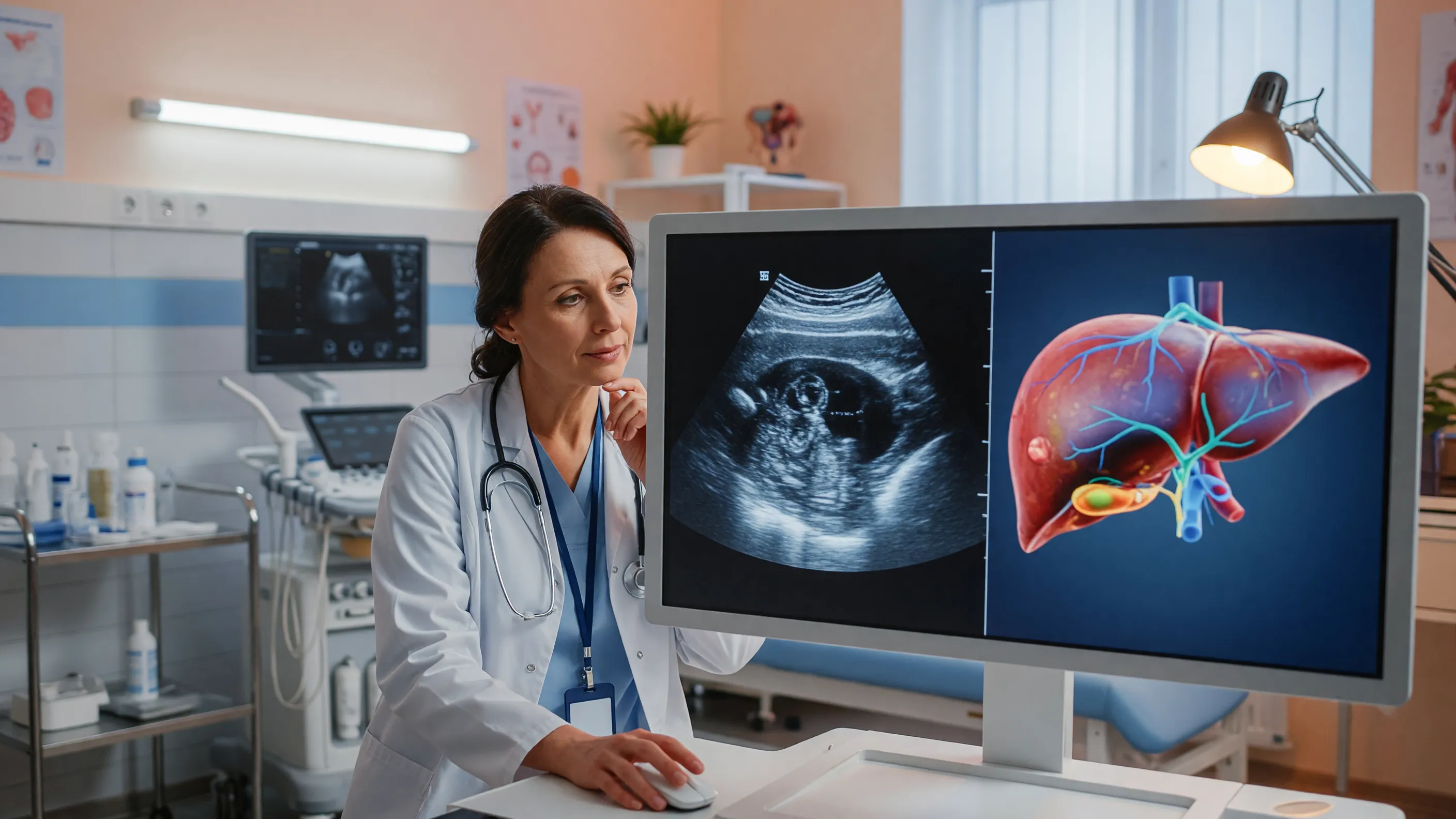
Obesity affects liver health by causing excess fat to build up inside liver cells, triggering non-alcoholic fatty liver disease (NAFLD) that can progress to inflammation, scarring, and cirrhosis. This close link between obesity and fatty liver is one of the leading causes of chronic liver disease today. In this article, you'll learn how extra weight damages the liver, warning signs to watch for, related complications, and how doctors diagnose and treat the condition. We also explain lifestyle changes and medical options, including bariatric care, that can protect and even reverse liver damage.
What is Obesity-Related Fatty Liver Disease?
Fatty liver disease means excess fat is stored inside liver cells. When it's driven by weight rather than alcohol, it's called non-alcoholic fatty liver disease (NAFLD).
Obesity is the single biggest driver of this condition worldwide. As body fat rises, so does the fat deposited in the liver.
Key facts about obesity and fatty liver:
- Excess fat accumulates in liver cells
- Strongly linked to obesity and weight gain
- Not caused by alcohol consumption
- Often silent in early stages
- Can be reversed if caught early
Concerned about your liver? Book a liver health check at Lux Hospitals today.
How Obesity Damages the Liver
Extra body fat overwhelms the liver's ability to process fats and sugars. This leads to fat storage, inflammation, and slow cell damage.
Insulin resistance, common in obesity, pushes even more fat into the liver.
Obesity harms the liver through several pathways:
- Insulin resistance increases liver fat
- Chronic low-grade inflammation
- Oxidative stress damages cells
- Disrupted fat and sugar metabolism
- Hormonal imbalances from excess fat
Stages of Fatty Liver Progression
Fatty liver disease develops gradually over years. Early stages are reversible, but later damage may be permanent.
Understanding these stages helps explain why early action matters:
- Simple fatty liver (steatosis) — fat builds up
- Steatohepatitis (NASH) — fat plus inflammation
- Fibrosis — scar tissue begins forming
- Cirrhosis — widespread, irreversible scarring
Catch liver damage early—schedule a screening with Lux Hospitals specialists.
Symptoms to Watch For
Fatty liver is often silent, especially early on. Many people feel completely fine until damage advances.
When symptoms do appear, they may include:
- Fatigue and low energy
- Discomfort in the upper right abdomen
- Unexplained weight changes
- Weakness or general malaise
- Yellowing skin in advanced cases
Who Is Most at Risk?
Anyone carrying excess weight can develop fatty liver. Certain factors sharply raise the risk.
Risk is highest for people who have:
- Obesity, especially belly fat
- Type 2 diabetes or prediabetes
- High cholesterol or triglycerides
- High blood pressure
- Metabolic syndrome
- Sedentary lifestyle and poor diet
Complications of Untreated Fatty Liver
Left untreated, fatty liver can progress to serious, life-threatening problems. The liver can scar until it stops working properly.
Beyond the liver, the disease raises risks elsewhere in the body.
Possible complications include:
- Cirrhosis and liver failure
- Liver cancer
- Higher heart disease risk
- Related conditions like gall stones
- Type 2 diabetes worsening
Don't let liver damage advance—consult the digestive experts at Lux Hospitals.
How Fatty Liver Is Diagnosed
Fatty liver is often found during routine tests for other issues. Diagnosis combines blood work and imaging.
Your doctor may recommend:
- Liver function blood tests
- Ultrasound or FibroScan imaging
- CT or MRI when needed
- Liver biopsy in select cases
- Assessment of weight and metabolism
Lifestyle Changes to Reverse Fatty Liver
For many people, fatty liver can be reversed with weight loss and healthier habits. Even losing 7–10% of body weight helps significantly.
Effective lifestyle steps include:
- Gradual, steady weight loss
- A balanced, low-sugar diet
- Regular physical activity
- Limiting refined carbs and fried foods
- Avoiding alcohol
- Managing diabetes and cholesterol
Need a personalized weight-loss plan? Talk to the specialists at Lux Hospitals.
Treatment Options at Lux Hospitals
When lifestyle changes aren't enough, medical and surgical options can help. For severe obesity, weight-loss surgery often improves the liver dramatically.
Our team tailors treatment to each patient, from non-surgical to advanced procedures:
- Medical management of metabolism
- A gastric balloon for obesity for gentler weight loss
- Sleeve gastrectomy for lasting results
- Roux-en-Y gastric bypass surgery
- Metabolic surgery for diabetes control
- Ongoing nutrition and follow-up care
Explore proven weight-loss treatments at Lux Hospitals to protect your liver.
Why Choose Lux Hospitals?
Lux Hospitals offers comprehensive, multidisciplinary care for obesity and liver disease. Our specialists combine advanced diagnostics with personalized treatment.
Patients choose us for:
- Experienced liver and bariatric teams
- Minimally invasive surgical options
- Complete metabolic and diabetes care
- Modern imaging and diagnostics
- Long-term lifestyle support
- Patient-centered, compassionate care
Conclusion
Obesity and fatty liver are closely linked, and excess weight remains the leading cause of non-alcoholic fatty liver disease. The good news is that early-stage fatty liver is often reversible through weight loss, better nutrition, and regular exercise. Ignoring the condition, however, can lead to inflammation, scarring, cirrhosis, and even liver cancer.
Regular checkups matter because fatty liver frequently causes no symptoms until damage is advanced. If you carry excess weight or have diabetes, don't wait for warning signs. The liver and bariatric specialists at Lux Hospitals can assess your risk, diagnose problems early, and design a treatment plan—from lifestyle guidance to advanced surgery—that protects your long-term liver health.