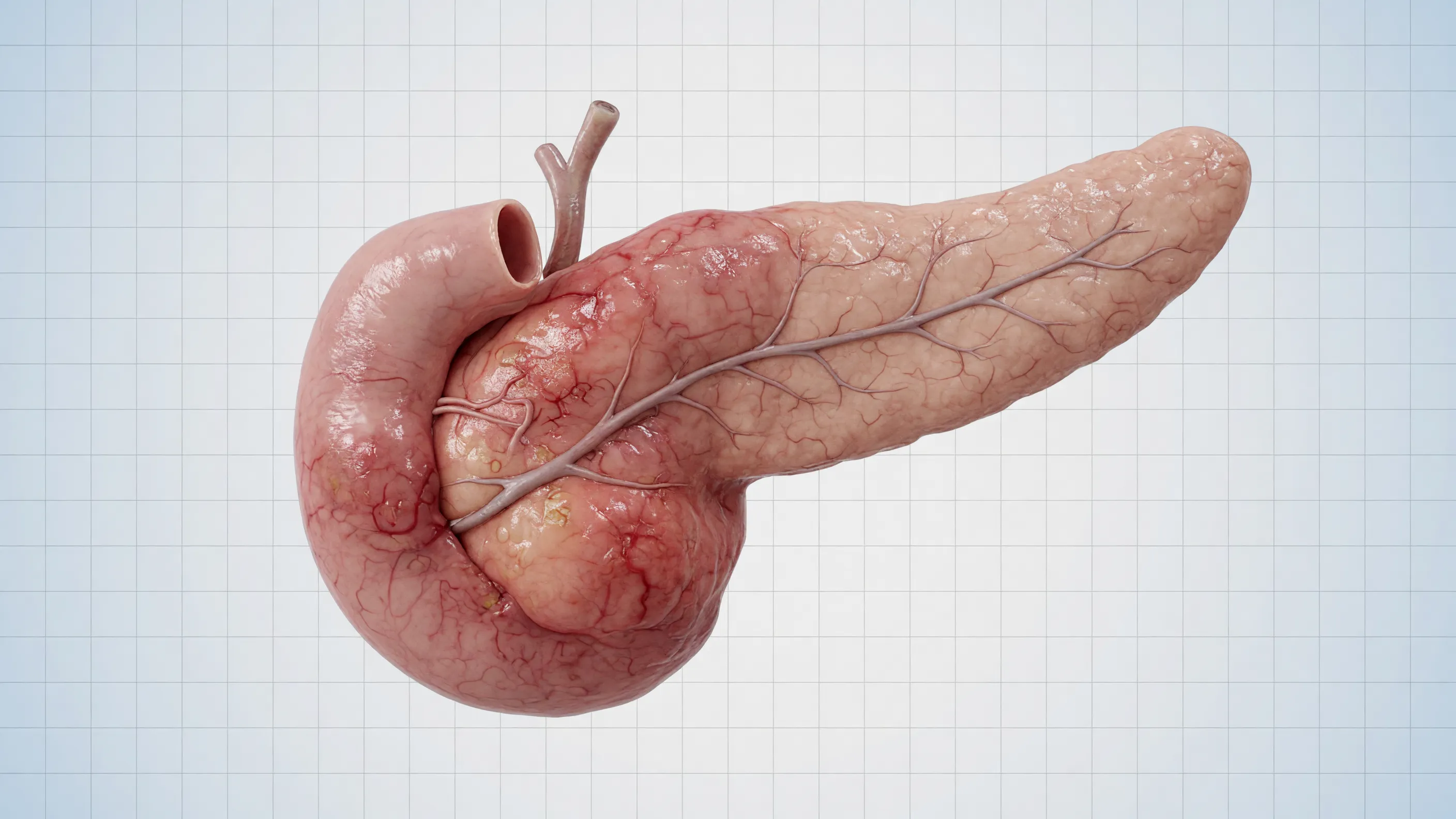
Acute pancreatitis is most often caused by gallstones and heavy alcohol use, which together account for the majority of cases. Other triggers include high blood triglycerides, certain medications, abdominal injury, and infections. This sudden inflammation of the pancreas can range from mild to life-threatening. In this article, we explain what causes acute pancreatitis, the warning symptoms to watch for, how doctors diagnose it, and the treatment options available at Lux Hospitals. Understanding these causes helps you recognise risk early and seek timely care before serious complications develop.
What Is Acute Pancreatitis?
Acute pancreatitis is sudden inflammation of the pancreas, the organ that makes digestive enzymes and insulin. Normally these enzymes activate in the intestine.
In pancreatitis, they activate too early and begin digesting the pancreas itself. This causes pain, swelling and, in severe cases, tissue damage.
Key facts to understand:
- Sudden, not long-standing inflammation
- Enzymes attack the pancreas prematurely
- Ranges from mild to severe
- Differs from chronic pancreatitis
Learn more about acute pancreatitis care at Lux Hospitals.
1. Gallstones
Gallstones are the single most common cause of acute pancreatitis. A stone can block the duct where bile and pancreatic juices drain.
This blockage traps enzymes inside the pancreas, triggering inflammation. Women and people over 40 face higher risk.
Gallstone-related risks include:
- Blocked pancreatic and bile ducts
- Sudden severe upper-abdomen pain
- Higher risk with existing gallstones
- May need urgent stone removal
Worried about gallstones? Consult the specialists at Lux Hospitals.
2. Heavy Alcohol Use
Long-term heavy drinking is the second leading cause of acute pancreatitis. Alcohol directly damages pancreatic cells and thickens digestive juices.
An episode can occur after years of heavy use or a single binge. Repeated attacks may progress to chronic pancreatitis.
Alcohol-related risks include:
- Direct toxic effect on the pancreas
- Binge drinking can trigger attacks
- Cumulative damage over years
- Risk of repeat episodes
3. High Triglycerides
Very high blood triglyceride levels can inflame the pancreas. This is a common cause when levels rise sharply, often above 1000 mg/dL.
Uncontrolled diabetes, obesity and certain genetic conditions raise triglycerides. Managing these factors lowers your risk.
Contributing factors include:
- Severely elevated triglyceride levels
- Poorly controlled diabetes
- Obesity and metabolic syndrome
- Some inherited lipid disorders
Manage metabolic risks early—book a check-up at Lux Hospitals.
4. Medications and Medical Procedures
Certain drugs and procedures can occasionally trigger acute pancreatitis. The ERCP procedure used to treat bile duct stones carries a small risk.
Some medications may inflame the pancreas as a side effect. Always tell your doctor about all drugs you take.
Possible triggers include:
- ERCP-related pancreatitis
- Certain diuretics and antibiotics
- Some seizure and HIV medications
- Immunosuppressant drugs
5. Other Causes and Risk Factors
Several less common causes can also spark acute pancreatitis. Identifying them helps guide the right treatment.
These include physical injury, infections and structural problems in the pancreas.
- Abdominal trauma or surgery
- Viral infections like mumps
- High blood calcium levels
- Genetic or autoimmune conditions
- Pancreatic tumours or cysts
Symptoms to Watch For
Acute pancreatitis usually causes sudden, severe upper abdominal pain. The pain often spreads to the back and worsens after eating.
Seek urgent care if symptoms are intense or persistent. Early treatment prevents complications.
Common symptoms include:
- Severe upper-abdomen pain
- Pain radiating to the back
- Nausea and vomiting
- Fever and rapid pulse
- Tender, swollen abdomen
Experiencing these symptoms? Get evaluated at Lux Hospitals without delay.
Possible Complications
Severe acute pancreatitis can lead to serious complications. Inflamed tissue may die or become infected.
Fluid can also collect around the pancreas, sometimes forming pancreatic pseudocysts that need drainage.
Complications may include:
- Pancreatic necrosis and infection
- Fluid collections and pseudocysts
- Organ failure in severe cases
- Progression to chronic pancreatitis
- Diabetes from pancreas damage
How Acute Pancreatitis Is Diagnosed
Doctors diagnose acute pancreatitis using symptoms, blood tests and imaging. Enzyme levels like amylase and lipase are usually raised.
Scans confirm inflammation and find the underlying cause, such as gallstones or blocked ducts.
Common tests include:
- Blood amylase and lipase levels
- Ultrasound to detect gallstones
- CT or MRI scans
- Triglyceride and calcium tests
Get an accurate diagnosis with advanced imaging at Lux Hospitals.
Treatment Options at Lux Hospitals
Most patients need hospital care with fluids, pain relief and rest. Treating the cause is essential to prevent recurrence.
Structural problems may need endoscopic or surgical treatment. Our team tailors care to your condition.
Treatment approaches include:
- IV fluids and pain management
- ERCP bile duct stone removal
- Laparoscopic cholecystectomy for gallstones
- Endoscopic pancreatic duct stenting
- Drainage for fluid collections
Why Choose Lux Hospitals?
Lux Hospitals offers experienced gastroenterology and surgical teams for pancreatic conditions. We combine advanced diagnostics with minimally invasive treatments.
From mild cases to severe complications, we provide complete, patient-focused care.
What sets us apart:
- Experienced pancreas specialists
- Advanced endoscopy and imaging
- Minimally invasive treatment options
- 24/7 emergency care support
- Personalised recovery plans
Trust your pancreas care to the experts at Lux Hospitals today.
Conclusion
Acute pancreatitis is a serious condition, but understanding its causes helps you act early. Gallstones and heavy alcohol use are the leading triggers, followed by high triglycerides, certain medications and less common factors like injury or infection.
Recognising symptoms such as severe upper abdominal pain and nausea can prompt timely treatment and prevent dangerous complications. If you notice warning signs or have risk factors, don't wait. The specialist team at Lux Hospitals offers accurate diagnosis, advanced treatment and complete recovery support for every stage of pancreatitis. Seeking prompt medical care remains the best way to protect your pancreas and your long-term health.