Can Bariatric Surgery Reverse Type 2 Diabetes?
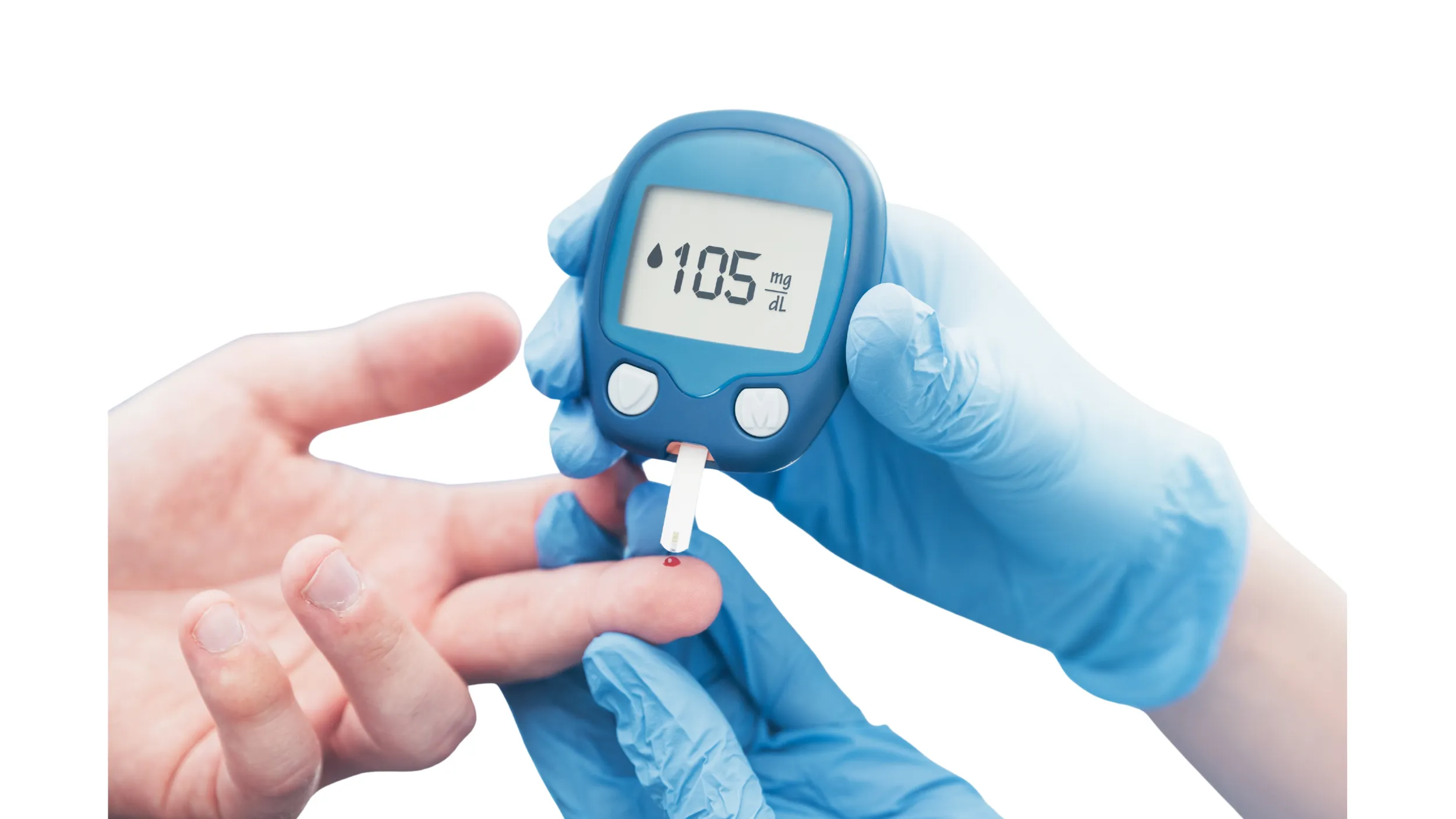
The body's ability to use insulin and metabolise glucose is impacted by type 2 diabetes, a chronic illness. Many patients use medication, lifestyle modifications, and routine monitoring to control their diabetes. According to recent research, bariatric surgery can significantly improve blood sugar regulation and, in certain situations, help patients achieve diabetic remission. This strategy, called metabolic surgery for diabetes, aims to improve metabolic health beyond weight loss. Bariatric surgery improves insulin sensitivity, modifies the digestive system, alters hormone levels, and improves glucose regulation. For those with Type 2 diabetes, metabolic surgery can be a life-altering alternative with careful patient selection, dietary counselling, and medical monitoring.
What Is Metabolic Surgery for Diabetes?
Bariatric treatments used to ameliorate metabolic disorders, particularly Type 2 diabetes, are referred to as metabolic surgery for diabetes. These procedures, unlike conventional weight-loss techniques, induce biological alterations that affect insulin function, hunger hormones, and glucose metabolism.
The most common procedures include:
1. Gastric Bypass Surgery
A gastric bypass alters the way food passes through the digestive system and shrinks the stomach. These modifications can control blood sugar levels and enhance insulin sensitivity.
2. Sleeve Gastrectomy
A portion of the stomach is removed during a sleeve gastrectomy, which reduces food intake and alters hormones that regulate hunger. Following this surgery, many individuals report better control over their diabetes.
3. Other Bariatric Procedures
Depending on a patient’s health condition, weight, diabetes severity, and medical history, surgeons may recommend other advanced procedures.
How Does Bariatric Surgery Help Reverse Type 2 Diabetes?
In contrast to weight loss alone, bariatric surgery improves diabetes in several ways. The procedure alters hormones, insulin response, and metabolism.
1. Improves Insulin Sensitivity
When cells become insulin-resistant due to excess body fat, blood sugar levels may rise. Bariatric surgery improves insulin sensitivity and reduces fat accumulation. As insulin sensitivity improves, the body can use glucose more efficiently, reducing the need for diabetes medications in many patients.
2. Regulates Diabetes-Related Hormones
Hormones produced by the digestive tract regulate blood sugar, insulin synthesis, and hunger. These hormonal signals can be enhanced by bariatric surgery, improving pancreatic function. This is one of the main reasons why metabolic surgery for diabetes provides benefits beyond simple weight reduction.
3. Supports Long-Term Weight Management
Maintaining a healthy weight is important for controlling Type 2 diabetes. Bariatric surgery helps patients achieve sustainable weight loss, which can reduce the risk of diabetes complications.
Can Bariatric Surgery Completely Reverse Type 2 Diabetes?
Many patients ask whether bariatric surgery can permanently cure Type 2 diabetes. While the term “cure” is not always medically accurate, many patients experience diabetes remission after surgery. Diabetes remission means blood sugar levels return to a healthy range without the need for diabetes medications for a period of time.
The chances of remission depend on several factors:
- Duration of diabetes
- Age of the patient
- Remaining pancreatic function
- Weight loss achieved after surgery
- Lifestyle changes after the procedure
Patients with recently diagnosed Type 2 diabetes often have better outcomes because their pancreas may still produce sufficient insulin. For some patients who have had difficulty with traditional treatments, metabolic surgery for diabetes presents a viable option.
Who Can Benefit From Metabolic Surgery for Diabetes?
Not every person with Type 2 diabetes requires surgery. Doctors evaluate several factors before recommending metabolic surgery.
Patients who may benefit include:
People With Obesity and Diabetes
Individuals with obesity-related Type 2 diabetes may experience significant improvements after bariatric procedures.
Patients With Poor Blood Sugar Control
Those who continue to have high blood sugar levels despite medications and lifestyle changes may consider surgery.
Individuals Facing Diabetes Complications
Long-term uncontrolled diabetes can affect the heart, kidneys, nerves, and eyes. Improving blood sugar control can reduce these risks.
Patients Seeking Long-Term Health Improvement
The goal of metabolic surgery for diabetes is not only weight loss but also improving overall metabolic health.
Benefits of Metabolic Surgery for Diabetes
Patients undergoing bariatric procedures may experience several health improvements, including:
- Better blood sugar regulation
- Reduced dependence on diabetes medications
- Improved insulin function
- Weight reduction
- Lower risk of diabetes-related complications
- Improved quality of life
- Better mobility and energy levels
However, surgery is most effective when combined with healthy eating habits, regular physical activity, and consistent medical follow-up.
What to Expect After Metabolic Surgery?
Recovery after bariatric surgery requires commitment and lifestyle adjustments. Patients usually follow a methodical diet plan that gradually transitions from liquids to solid foods.
Regular follow-ups help monitor:
- Blood sugar levels
- Nutritional requirements
- Weight changes
- Vitamin and mineral levels
- Overall health improvement
Patients should continue following their healthcare provider’s recommendations to maintain long-term success.
Why Choose Dr Tagore for Metabolic Surgery for Diabetes?
Dr Tagore focuses on providing advanced bariatric and metabolic solutions designed according to each patient’s individual health needs. With a patient-centred approach, Dr Tagore evaluates diabetes history, weight concerns, lifestyle factors, and medical conditions before recommending the most suitable treatment option. The goal is to help patients achieve better diabetes control, improved quality of life, and sustainable health outcomes through advanced surgical care.
Conclusion
Type 2 diabetes can significantly affect daily life and long-term health, especially when combined with obesity. Bariatric surgery has become an effective approach for improving metabolic health and helping selected patients achieve diabetes remission. Through metabolic surgery for diabetes, patients may experience improved insulin sensitivity, better blood sugar control, reduced medication dependence, and enhanced quality of life. With expert guidance from Dr Tagore, patients can explore safe and personalised treatment options to manage diabetes effectively and move towards a healthier future.