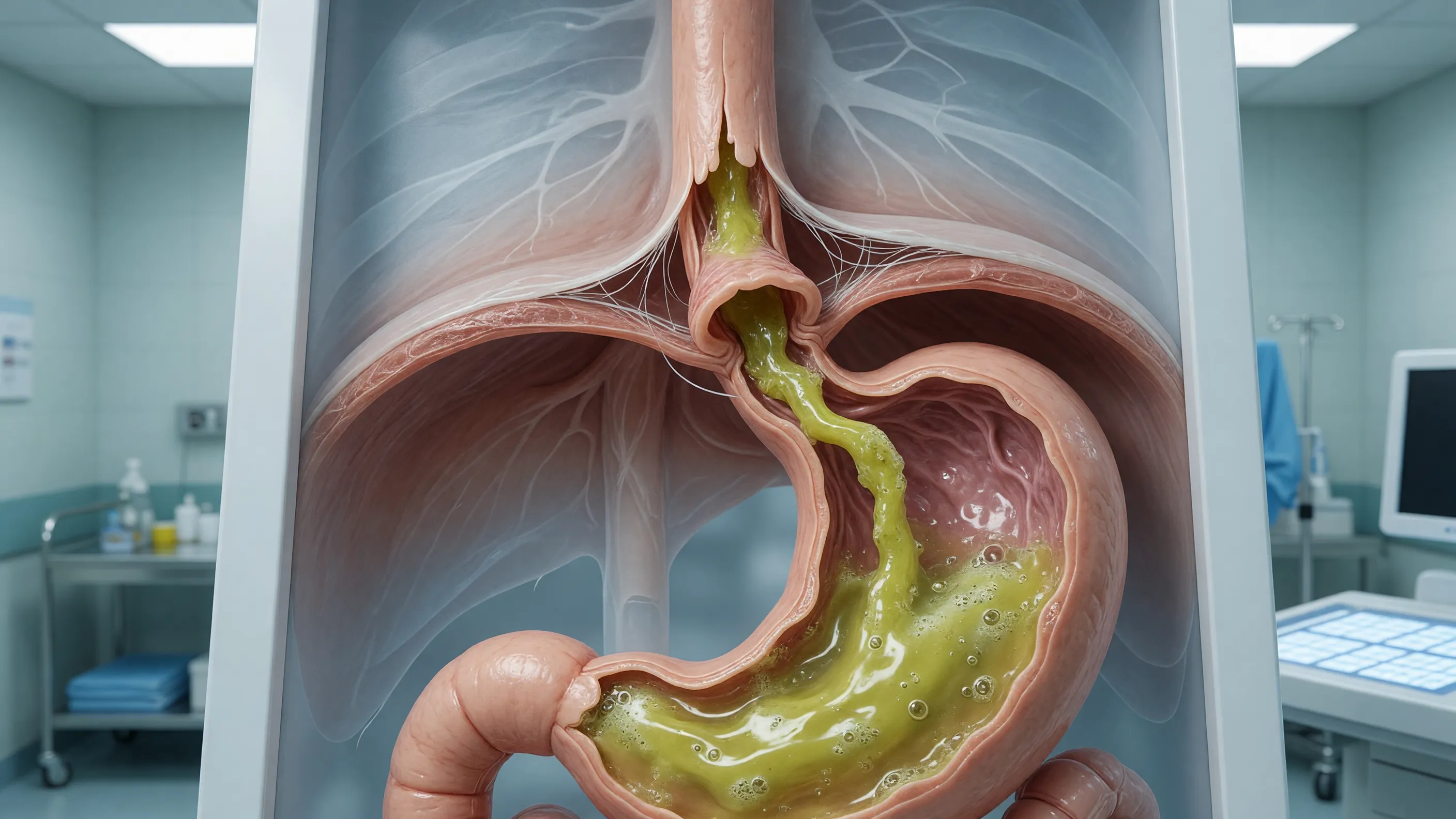
GERD is caused mainly by a weak or relaxed lower esophageal sphincter that lets stomach acid flow back into the food pipe, often worsened by diet, obesity, hiatal hernia and certain habits. When this backflow happens frequently, it inflames the esophagus and causes GERD. This article explains the leading GERD causes, common triggers, risk factors and complications in simple terms. You will also learn how doctors diagnose reflux and the treatment options available at Lux Hospitals. Understanding what drives acid reflux can help you make changes and know when to seek expert care.
What Is Acid Reflux and GERD?
Acid reflux happens when stomach acid flows backward into the esophagus. When this occurs often, it becomes gastroesophageal reflux disease, or GERD.
The condition irritates the esophageal lining and causes uncomfortable symptoms. You may notice:
- Burning chest pain or heartburn
- Sour taste or regurgitation
- Difficulty swallowing food
- Chronic cough or hoarseness
- Discomfort worse when lying down
Struggling with frequent heartburn? Consult the GERD specialists at Lux Hospitals today.
1. A Weak Lower Esophageal Sphincter
The most common GERD cause is a weak or relaxed lower esophageal sphincter. This muscular valve normally seals the stomach from the esophagus.
When it fails to close properly, acid escapes upward. Several things can weaken this valve:
- Frequent overeating or large meals
- Certain foods and drinks
- Some medications and hormones
- Increased abdominal pressure
- Natural muscle weakening with age
2. Hiatal Hernia
A hiatal hernia occurs when part of the stomach pushes up through the diaphragm. This disrupts the valve mechanism that keeps acid down.
This structural problem is a major reflux trigger. Common features include:
- Upper stomach bulging into chest
- Weakened diaphragm support
- Worse reflux after meals
- More common with age
- Often linked to persistent heartburn
Learn how a hiatal hernia may be driving your reflux with a Lux Hospitals evaluation.
3. Obesity and Excess Abdominal Pressure
Carrying extra weight raises pressure inside the abdomen. This pushes stomach contents up against the sphincter.
Obesity is one of the strongest modifiable GERD risk factors. Pressure can rise from:
- Excess belly fat
- Pregnancy in later stages
- Tight clothing or belts
- Frequent bending forward
- Heavy lifting habits
4. Diet and Trigger Foods
What you eat directly affects reflux. Some foods relax the sphincter or increase acid production.
Cutting back on trigger foods often reduces symptoms. Common culprits include:
- Fried and fatty foods
- Spicy dishes and citrus
- Chocolate and peppermint
- Coffee and carbonated drinks
- Tomato-based sauces
- Alcohol
Not sure which foods trigger your reflux? The team at Lux Hospitals can guide you.
5. Lifestyle Habits and Medications
Everyday habits play a big role in acid reflux. Some routines and drugs make symptoms worse.
Small changes here can bring real relief. Watch out for:
- Smoking and tobacco use
- Eating late at night
- Lying down after meals
- Certain painkillers and blood pressure drugs
- Stress and irregular meals
Other Causes and Risk Factors
Some GERD causes are less obvious but still important. Certain conditions and factors raise your risk.
Related digestive problems can also mimic or worsen reflux symptoms.
- Delayed stomach emptying
- Connective tissue disorders
- Family history of reflux
- Pregnancy hormone changes
- Overlap with peptic ulcer disease
Complications of Untreated GERD
Ignoring chronic reflux can damage the esophagus over time. Repeated acid exposure causes lasting harm.
Untreated GERD may lead to serious problems, so early care matters. Possible complications include:
- Esophagitis and inflammation
- Narrowing or strictures
- Bleeding or ulcers
- Barrett's esophagus
- Increased esophageal cancer risk
Don't let reflux damage your esophagus—book a check-up at Lux Hospitals today.
How GERD Is Diagnosed
Doctors diagnose GERD from your symptoms and targeted tests. This helps rule out other conditions like a hiatal hernia or ulcers.
Common diagnostic tools include:
- Endoscopy to view the esophagus
- 24-hour pH monitoring
- Esophageal manometry
- Barium swallow X-ray
- Symptom and diet review
Treatment Options at Lux Hospitals
Most GERD cases improve with lifestyle changes and medication. When reflux is severe or persistent, surgery may help.
Lux Hospitals offers proven, personalised care for gerd acid reflux. Options may include:
- Diet and lifestyle guidance
- Acid-reducing medications
- Laparoscopic fundoplication surgery
- Open fundoplication for complex cases
- Weight-loss surgery when obesity contributes
Explore advanced reflux treatment options with the specialists at Lux Hospitals.
Why Choose Lux Hospitals?
Lux Hospitals combines experienced surgeons with modern, minimally invasive technology. Care is tailored to the true cause of your reflux.
Patients choose us for trusted, comprehensive digestive care. Our strengths include:
- Skilled gastrointestinal specialists
- Advanced diagnostic facilities
- Minimally invasive surgical expertise
- Personalised treatment plans
- Compassionate follow-up care
Conclusion
GERD develops mainly when a weak lower esophageal sphincter allows stomach acid to flow back into the food pipe. Contributing GERD causes include hiatal hernia, obesity, trigger foods, smoking and certain medications. Understanding these factors helps you make targeted changes and reduce uncomfortable symptoms.
Occasional heartburn is normal, but frequent reflux deserves attention. Left untreated, GERD can damage the esophagus and lead to serious complications. Early diagnosis and the right treatment protect your long-term health. If reflux is affecting your daily life, the experienced team at Lux Hospitals can identify the cause and design a plan that works for you.