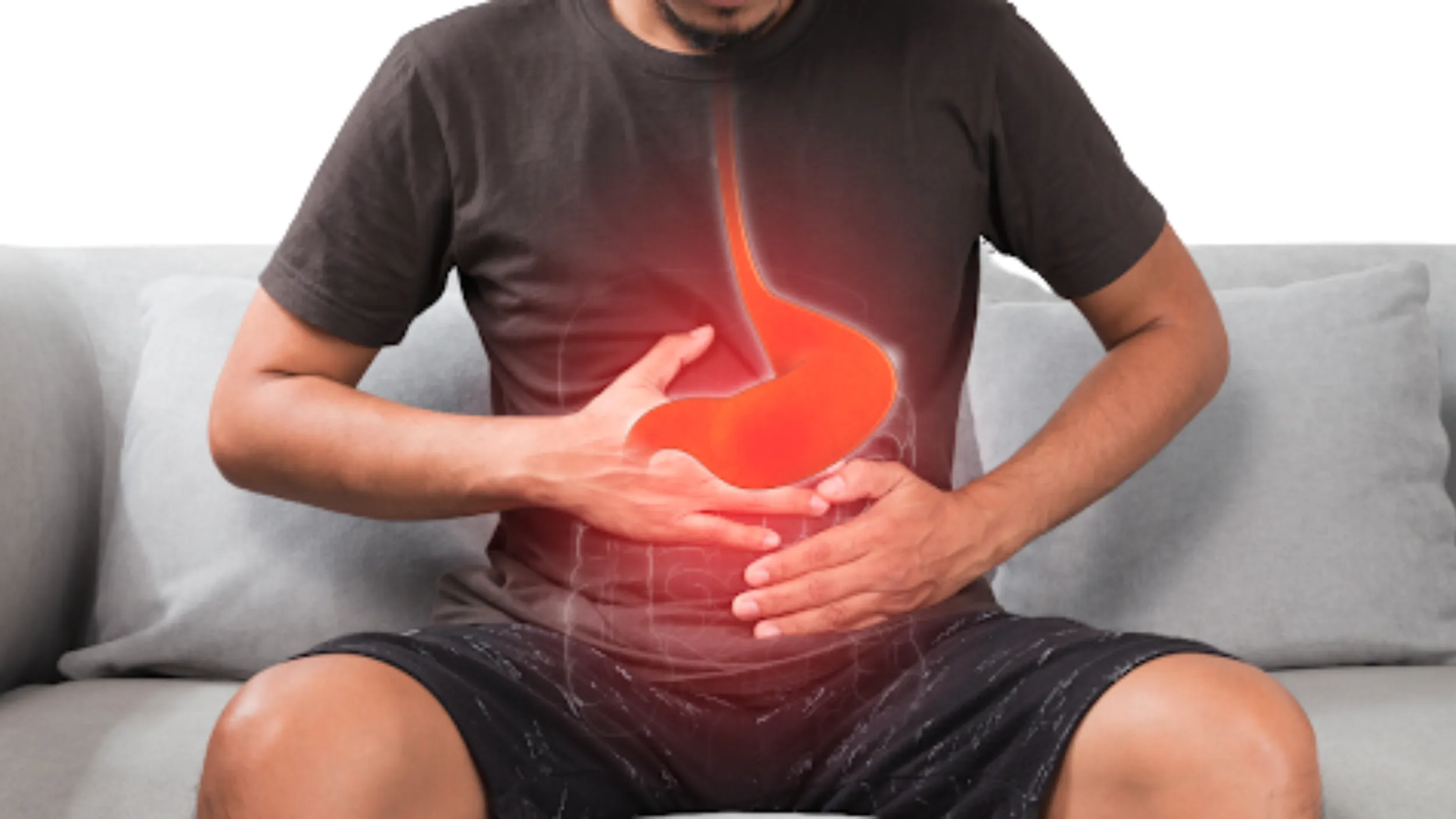
A painful sore that appears in the lining of the stomach, small intestine, or oesophagus is called a peptic ulcer. These ulcers may develop when the protective lining of the digestive tract is harmed by digestive acids. Even while many people encounter early symptoms, they frequently write them off as simple acid reflux or indigestion. Increasingly, modern lifestyles, stress, irregular eating habits, and frequent painkiller use have raised the risk of peptic ulcers. Expert care from Dr Tagore Mohan Grandhi ensures accurate diagnosis and effective treatment for Peptic Ulcer, supporting faster recovery and lasting relief.
What Is a Peptic Ulcer?
An open sore caused by acid erosion, a peptic ulcer develops in the inner lining of the digestive tract.
Types of Peptic Ulcers:
- Gastric ulcer (stomach)
- Duodenal ulcer (small intestine)
- Oesophageal ulcer (oesophagus)
Immediate medical attention is essential for every type of peptic ulcer to prevent complications.
Don't wait — schedule your diagnosis with Dr Tagore Mohan Grandhi now.
Causes of Peptic Ulcer
Understanding what causes a peptic ulcer can help you prevent it and ensure early treatment.
Common Causes:
- Long-term use of NSAIDs
- Excess stomach acid
- Smoking and alcohol
Other Factors:
- Stress
- Irregular eating habits
- Unhealthy diet
A Peptic Ulcer develops when these factors weaken the stomach's lining.
Pinpoint the cause of your symptoms — act now to protect your health. Book your appointment with Dr Tagore Mohan Grandhi now.
Symptoms of Peptic Ulcer
Because symptoms can range from mild to severe, they should never be ignored.
Common Symptoms:
- Burning stomach pain
- Bloating
- Nausea
- Heartburn
- Loss of appetite
Serious Symptoms:
- Vomiting blood
- Black stools
- Severe abdominal pain
Early recognition of symptoms can help prevent complications.
Take control — address stomach warning signs promptly. Schedule your checkup with Dr Tagore Mohan Grandhi now.
Diagnosis of Peptic Ulcer
Diagnosing a Peptic Ulcer early is critical — delaying treatment risks permanent harm.
Diagnostic Methods:
- Endoscopy
- H. pylori testing
- Imaging tests
Determining the severity of a peptic ulcer involves these tests, which also guide treatment.
Treatment Options for Peptic Ulcer
Peptic Ulcer treatment must start immediately — the goal is rapid healing and prevention of recurrence.
Treatment Methods:
- Medications (antibiotics, PPIs)
- Lifestyle changes
- Endoscopic treatment
- Surgery (rare cases)
Most cases heal fully with proper guidance and care.
Prevention Tips for Peptic Ulcer
Preventing a Peptic Ulcer is possible with simple lifestyle changes:
- Avoid excessive painkiller use.
- Maintain good hygiene
- Eat balanced meals
- Manage stress
- Avoid smoking and alcohol.
Healthy habits help lower the risk of peptic ulcers.
Conclusion
A Peptic Ulcer is common and treatable. Awareness of causes, symptoms, and treatments aids early diagnosis and management. Prompt medical care and lifestyle changes can heal most peptic ulcers. Early consultation is crucial to prevent serious complications and protect quality of life. Experiencing symptoms of a Peptic Ulcer? Consult Dr Tagore Mohan Grandhi for an expert diagnosis. He provides personalised treatment and ensures long-term relief.