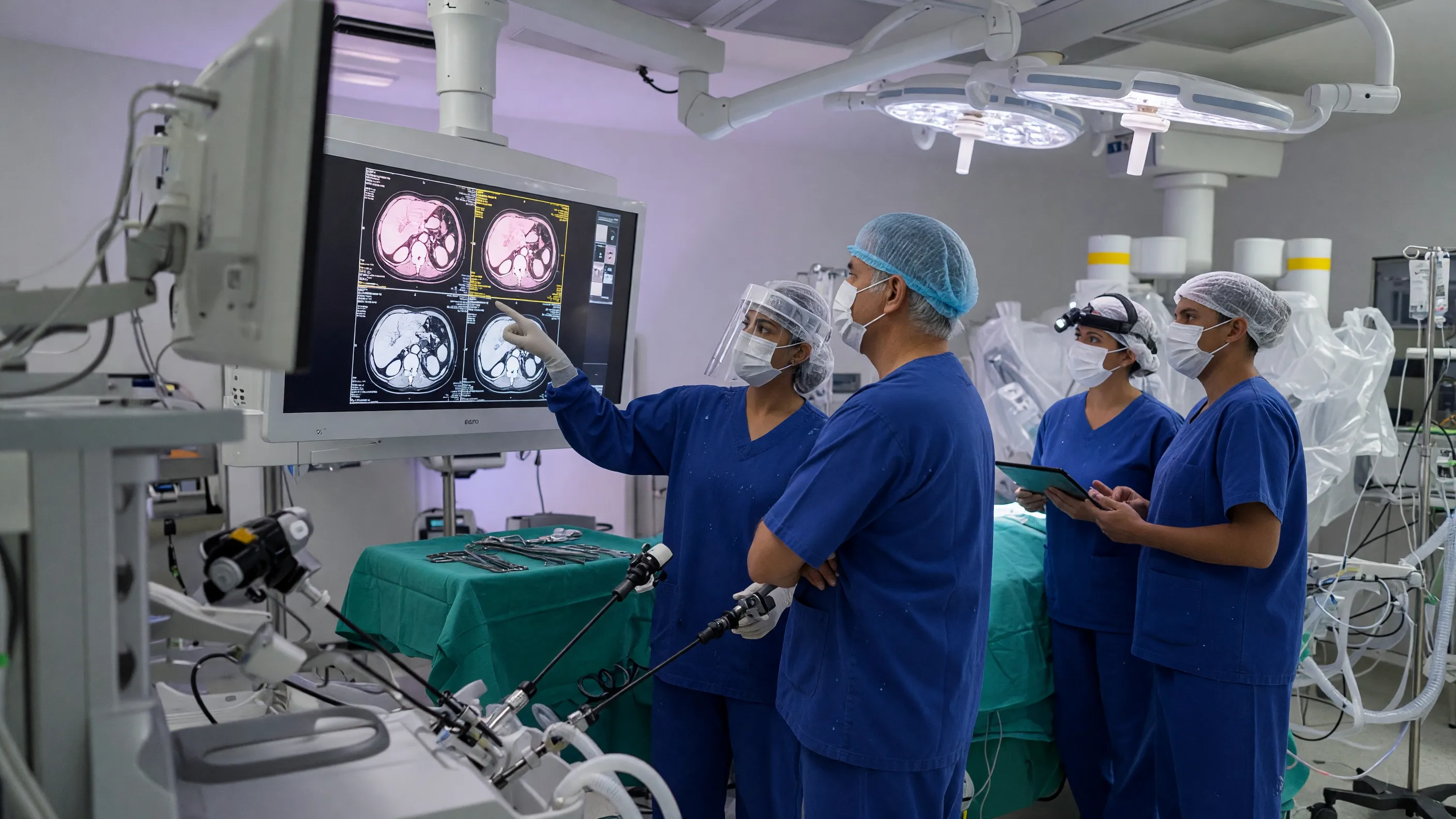
Most pancreatitis is treated without surgery, but an operation becomes necessary when complications like infected pancreatic tissue, pseudocysts, blocked ducts, or persistent pain do not respond to medical care. Surgery is reserved for specific, serious situations. This article explains what pancreatitis is, how it is usually managed, and the exact signs that point to surgery. You will also learn about the main surgical and minimally invasive procedures, how doctors decide, and what recovery looks like. Understanding these triggers helps you seek timely expert care and avoid dangerous delays.
What Is Pancreatitis?
Pancreatitis is inflammation of the pancreas, the organ that produces digestive enzymes and insulin. It can appear suddenly or develop slowly over years.
Doctors group it into two main forms:
- Acute pancreatitis — sudden, often reversible inflammation
- Chronic pancreatitis — long-term, permanent damage
- Common causes: gallstones and alcohol
- Triggers pain, nausea, and digestive trouble
Learn more about acute pancreatitis and chronic pancreatitis care at Lux Hospitals.
How Pancreatitis Is Usually Treated
Most cases improve with supportive, non-surgical care in hospital. The goal is to rest the pancreas and control symptoms.
Standard treatment often includes:
- IV fluids and close monitoring
- Pain control medication
- Temporary fasting, then gradual diet
- Treating the underlying cause
- Avoiding alcohol and smoking
When Is Surgery Required?
Surgery is needed only when complications develop or medical treatment fails. It is not the first choice for uncomplicated pancreatitis.
Doctors consider surgery in situations such as:
- Infected dead (necrotic) pancreatic tissue
- Large or symptomatic pseudocysts
- Blocked pancreatic or bile ducts
- Severe, unrelenting chronic pain
- Suspected tumour or cancer
- Gallstones causing repeated attacks
Experiencing severe abdominal pain? Get evaluated promptly at Lux Hospitals.
Infected Pancreatic Necrosis
In severe acute pancreatitis, parts of the pancreas can die and become infected. This is life-threatening and often needs intervention.
Treatment now favours a step-up, minimally invasive approach:
- Antibiotics as first response
- Percutaneous drainage of fluid collections
- Endoscopic necrosectomy to remove dead tissue
- Surgical debridement in advanced cases
- Delayed surgery when possible for safety
Trust experienced pancreas surgeons at Lux Hospitals for complex cases.
Pancreatic Pseudocysts and Fluid Collections
Pseudocysts are fluid-filled sacs that can form after inflammation. Small ones often disappear on their own.
Intervention is considered when a pseudocyst:
- Grows large or causes pain
- Presses on the stomach or ducts
- Becomes infected or bleeds
- Fails to resolve over weeks
- Endoscopic or catheter drainage first
- Laparoscopic cystogastrostomy for larger cysts
- Surgery if drainage fails
Chronic Pain and Duct Blockage
Chronic pancreatitis can cause disabling pain and scarred, blocked ducts. When medicines and endoscopy fail, surgery offers lasting relief.
Surgical options aim to drain or remove damaged tissue:
- Pancreatic duct stenting for narrowing
- Lateral pancreaticojejunostomy to drain ducts
- Frey procedure combining drainage and resection
- Distal pancreatectomy for localized disease
Struggling with persistent pancreatitis pain? Discuss surgical relief with Lux Hospitals.
Gallstone-Related Pancreatitis
Gallstones are a leading cause of acute pancreatitis. Removing them prevents future attacks.
Management usually involves two steps:
- ERCP to clear stuck bile duct stones
- Laparoscopic gallbladder removal after recovery
- Timing based on attack severity
- Prevents dangerous recurrence
Surgical Options at Lux Hospitals
The right procedure depends on the cause, location, and severity of disease. Lux Hospitals offers the full range, favouring minimally invasive techniques.
Commonly performed procedures include:
- Endoscopic necrosectomy for infected tissue
- Frey procedure for chronic pain
- Distal pancreatectomy for tail disease
- Whipple procedure for head lesions or tumours
- Laparoscopic cystogastrostomy for pseudocysts
Explore advanced pancreatic surgery options at Lux Hospitals.
How Doctors Decide on Surgery
The decision is made carefully by a specialist team, not rushed. Imaging and blood tests guide the plan.
Doctors weigh several factors:
- CT and MRI scan findings
- Presence of infection or necrosis
- Duct anatomy and blockages
- Pain severity and quality of life
- Suspicion of pancreatic neoplasms
Recovery and Lifestyle After Surgery
Recovery varies with the procedure, from days to several weeks. Lifestyle changes protect the pancreas long-term.
Key recovery steps include:
- Complete alcohol and smoking avoidance
- Low-fat, balanced nutrition
- Enzyme supplements if needed
- Blood sugar monitoring
- Regular specialist follow-up
Get personalised recovery guidance from the team at Lux Hospitals.
Why Choose Lux Hospitals?
Pancreatic surgery demands specialised skill and multidisciplinary support. Lux Hospitals combines both under one roof.
Patients benefit from:
- Experienced pancreatic and GI surgeons
- Advanced endoscopic and laparoscopic technology
- Step-up, minimally invasive approach
- Comprehensive critical care support
- Personalised follow-up and nutrition plans
Conclusion
Pancreatitis treatment is mostly non-surgical, focusing on rest, fluids, pain control, and treating the underlying cause. Surgery becomes necessary only for specific complications—infected necrosis, troublesome pseudocysts, blocked ducts, chronic pain, or gallstones causing repeated attacks.
Modern care favours minimally invasive, step-up approaches that reduce risk and speed recovery. Knowing these warning signs helps you act early and avoid dangerous delays. If you or a loved one faces recurring pancreatitis or severe abdominal pain, seek expert evaluation promptly. The specialists at Lux Hospitals provide accurate diagnosis, advanced surgical options, and complete after-care to protect your long-term health and quality of life.