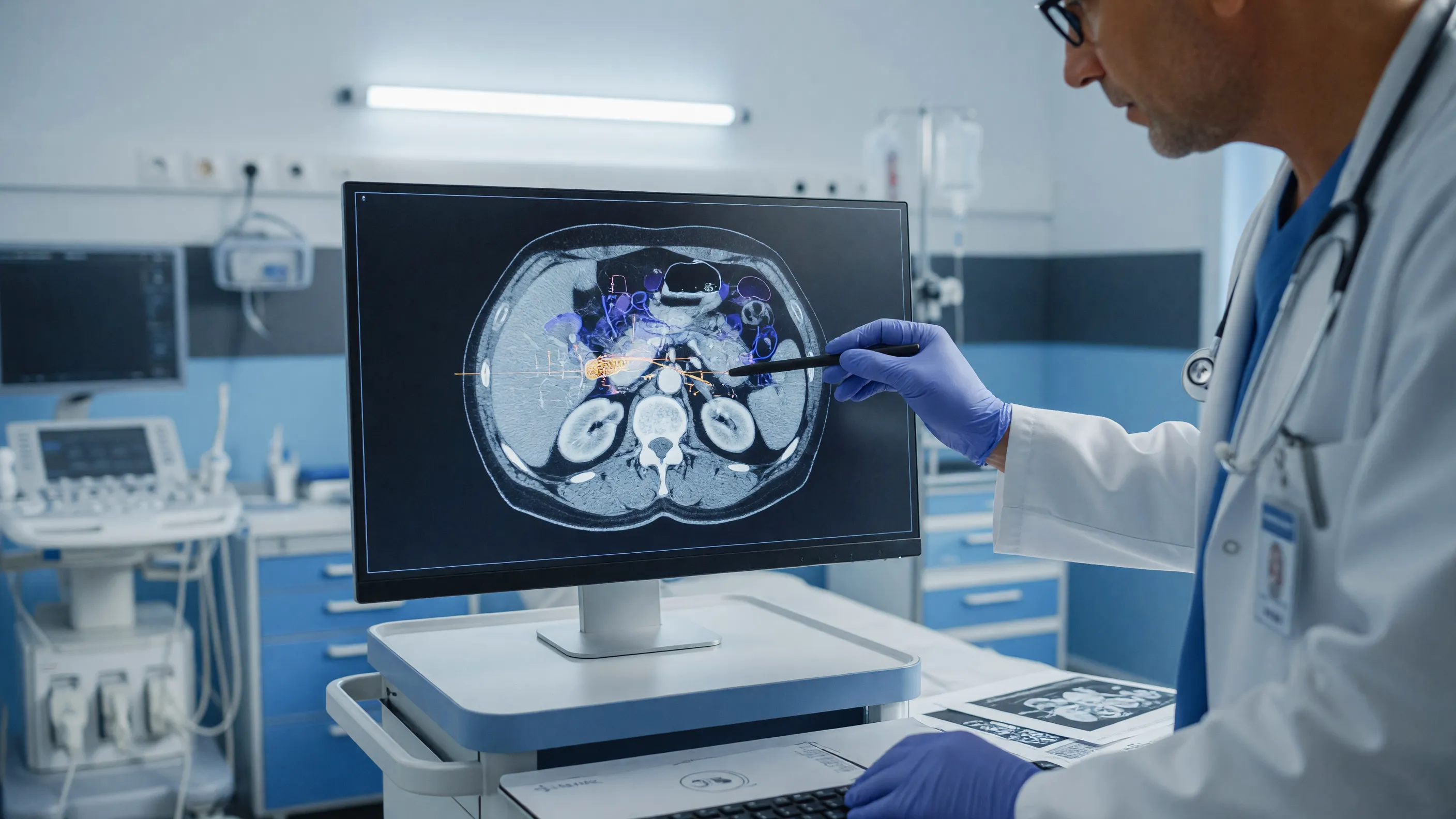
A pancreatic pseudocyst is a fluid-filled sac that forms near the pancreas, usually after pancreatitis or injury, and common symptoms include persistent abdominal pain, bloating, nausea, and a palpable lump—treated with observation, drainage, or surgery. Many small pseudocysts resolve on their own, but larger or infected ones need intervention. This guide explains what pancreatic pseudocysts are, their key symptoms and causes, how doctors diagnose them, and the treatment options available. You will also learn warning signs of complications and why expert care matters. Read on to understand when to seek help from a specialist.
What Is a Pancreatic Pseudocyst?
A pancreatic pseudocyst is a collection of fluid, enzymes, and tissue debris that builds up around the pancreas. Unlike true cysts, it lacks a true cell lining—hence the name "pseudo."
These sacs usually develop weeks after an episode of pancreatitis or abdominal trauma. Key facts include:
- Fluid-filled sac near the pancreas
- Lacks a true epithelial lining
- Often follows acute pancreatitis
- Can range from small to very large
- Some resolve without treatment
Concerned about a pancreatic cyst? Consult the gastroenterology experts at Lux Hospitals today.
Common Symptoms to Watch For
Symptoms depend on the size and location of the pseudocyst. Small ones may cause no symptoms at all.
Larger pseudocysts press on nearby organs and trigger discomfort. You may notice:
- Persistent upper abdominal pain
- Bloating and early fullness
- Nausea and vomiting
- A palpable lump in the abdomen
- Loss of appetite and weight loss
- Fever if infection develops
What Causes Pancreatic Pseudocysts?
Most pseudocysts form after inflammation damages the pancreatic ducts, letting fluid leak and collect. The body walls this fluid off into a sac.
The leading causes include:
- Episodes of acute pancreatitis
- Long-standing chronic pancreatitis
- Abdominal injury or trauma
- Gallstones blocking ducts
- Heavy, long-term alcohol use
Who Is at Risk?
Anyone who has had pancreatitis faces a higher risk of developing a pseudocyst. Certain lifestyle and medical factors increase that chance.
Common risk factors include:
- History of acute pancreatitis
- Chronic pancreatitis sufferers
- Frequent alcohol consumption
- Gallstone disease
- Previous abdominal surgery or trauma
- High triglyceride levels
Had a recent bout of pancreatitis? Schedule a follow-up at Lux Hospitals for peace of mind.
Possible Complications
While many pseudocysts are harmless, some can lead to serious problems if ignored. Early detection prevents emergencies.
Watch for these complications:
- Infection and abscess formation
- Rupture causing internal bleeding
- Pressure on the stomach or bowel
- Blockage of the bile duct
- Blood vessel damage (pseudoaneurysm)
How Pancreatic Pseudocysts Are Diagnosed
Doctors combine imaging and lab tests to confirm a pseudocyst and rule out tumors or pancreatic neoplasms.
Diagnosis typically involves:
- CT scan of the abdomen
- Abdominal ultrasound
- MRI or MRCP imaging
- Endoscopic ultrasound (EUS)
- Blood tests for pancreatic enzymes
Get an accurate diagnosis using advanced imaging at Lux Hospitals.
When to See a Doctor
Seek medical care if symptoms persist or worsen, especially after a pancreatitis episode. Prompt evaluation avoids dangerous complications.
See a specialist if you experience:
- Severe or ongoing abdominal pain
- High fever with chills
- Rapid heartbeat or dizziness
- Vomiting blood or black stools
- A growing abdominal mass
Treatment Options at Lux Hospitals
Treatment depends on size, symptoms, and complications. Small, painless pseudocysts are often simply monitored over time.
Larger or infected ones need active intervention. Options include:
- Watchful waiting for small cysts
- Percutaneous catheter drainage
- Endoscopic drainage into the stomach
- Laparoscopic cystogastrostomy surgery
- Pancreatic duct stenting in select cases
Explore personalised pseudocyst treatment with the pancreatic surgeons at Lux Hospitals.
Recovery and Prevention Tips
Recovery varies by treatment, but most patients improve steadily with follow-up care. Lifestyle changes reduce the risk of recurrence.
To support healing and prevention:
- Avoid alcohol completely
- Eat a low-fat, balanced diet
- Stay well hydrated
- Manage gallstones promptly
- Attend all follow-up imaging scans
Why Choose Lux Hospitals?
Lux Hospitals offers expert, patient-focused care for pancreatic and digestive conditions. Our multidisciplinary team uses advanced minimally invasive techniques.
Patients choose us for:
- Experienced pancreatic surgeons
- Advanced endoscopic and imaging tools
- Minimally invasive drainage procedures
- Personalised treatment plans
- Comprehensive follow-up care
Book your consultation at Lux Hospitals for trusted pancreatic care today.
Conclusion
A pancreatic pseudocyst can range from a harmless fluid collection to a serious, complication-prone condition. Recognising early symptoms—such as persistent abdominal pain, bloating, and nausea—helps you seek timely care and avoid emergencies.
Many small pseudocysts resolve on their own, but larger or infected ones need drainage or surgery. With accurate diagnosis and modern, minimally invasive treatment, most patients recover fully. If you have a history of pancreatitis or notice warning signs, don't wait. The specialists at Lux Hospitals provide expert evaluation, advanced imaging, and tailored treatment to protect your long-term digestive health. Early action makes all the difference—reach out to a qualified pancreatic specialist for proper guidance.