Digestive health is important for your overall well-being, but early warning signs are often overlooked until problems develop. Diverticulitis is one such issue — a painful, sometimes serious infection of the digestive tract. It's also important to watch for other abdominal warning signs, such as those of a Liver Abscess, since both can cause similar symptoms, such as pain and fever. Learning about these conditions early helps you get the right medical care and avoid complications.
Lux Hospital experts will cover what diverticulitis is, its symptoms, causes, and treatment options. We'll also explain why it's important to recognise the signs of Liver Abscess to help you stay informed about your health.
What Is Diverticulitis?
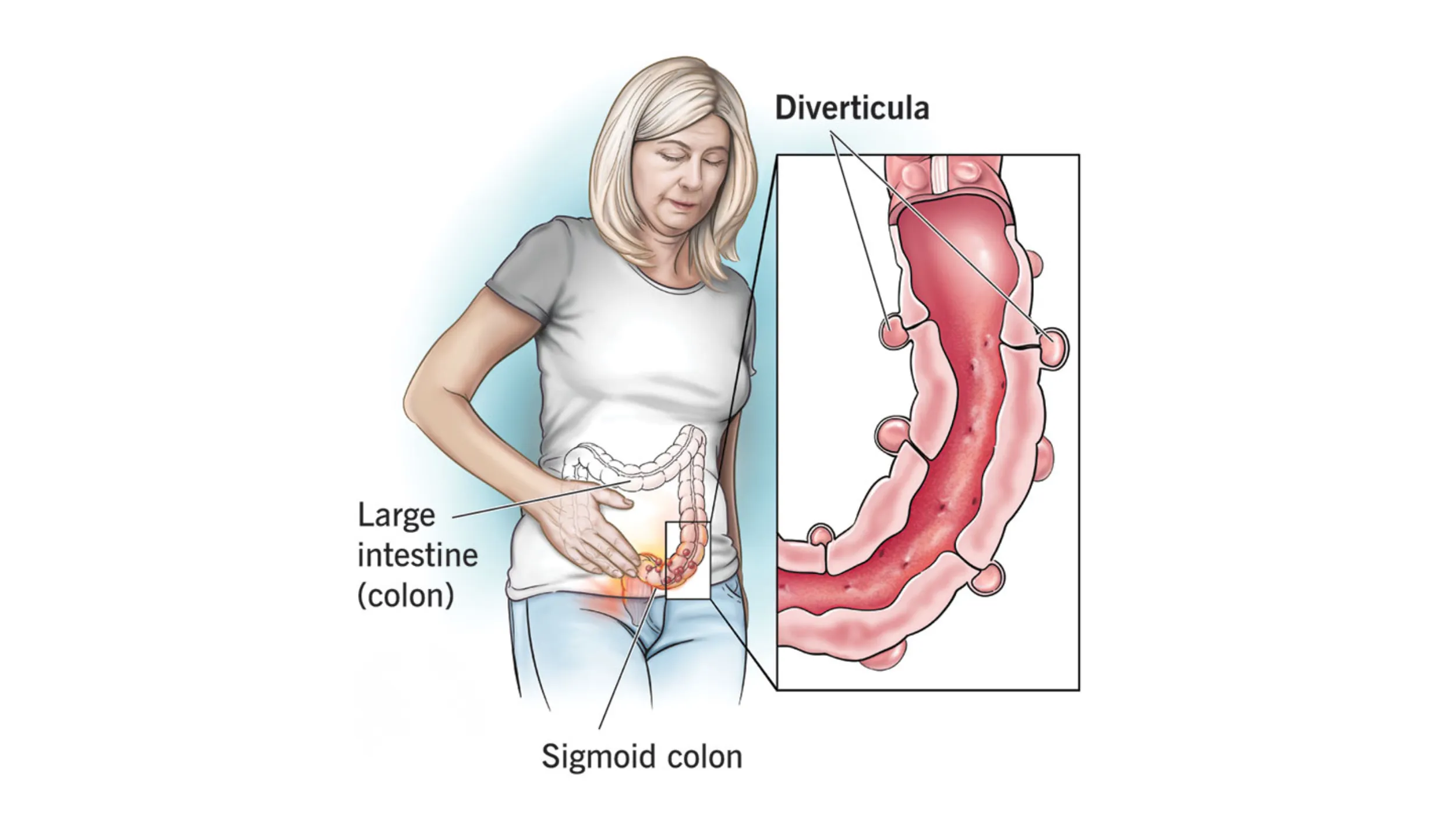
Diverticulitis occurs when small pouches (diverticula) that form in the colon walls become inflamed or infected. These pouches are common, especially after age 40, but when they become infected, they can lead to diverticulitis.
- Diverticula formation is called diverticulosis.
- Infection or inflammation leads to diverticulitis.
- It commonly affects the lower part of the large intestine.
Many patients confuse abdominal infections, including Signs of a Liver Abscess, with diverticulitis because of similar symptoms such as abdominal pain and fever. This makes proper diagnosis essential.
Symptoms of Diverticulitis
Recognising symptoms early can prevent complications. The symptoms of diverticulitis can range from mild to severe.
Common Symptoms
- Persistent abdominal pain (usually on the lower left side)
- Fever and chills
- Nausea and vomiting
- Constipation or diarrhea
- Bloating and tenderness
Sometimes, these symptoms may resemble Signs of Liver Abscess, such as fever and abdominal discomfort, which is why medical evaluation is crucial.
Severe Symptoms
- Severe abdominal pain
- High fever
- Blood in stool
- Difficulty passing stool or gas
Ignoring these symptoms can lead to complications such as abscess formation, perforation, or the spread of infection.
Don't ignore persistent abdominal pain or fever. Consult Dr Tagore Mohan Grandhi for accurate diagnosis and early treatment.
Causes of Diverticulitis
Understanding the causes helps prevent and better manage them.
Key Causes
- A low-fibre diet leading to constipation
- Increased pressure in the colon
- Ageing and weakening of intestinal walls
- Obesity and a sedentary lifestyle
- Smoking and poor dietary habits
While these causes differ from Signs of Liver Abscess, both conditions can worsen due to delayed treatment and unhealthy lifestyle choices.
Risk Factors
- Age above 40
- Lack of physical activity
- High intake of processed foods
- Chronic constipation
Preventive care and early intervention can significantly reduce the risk of complications.
Take control of your digestive health today. Book your consultation with Dr Tagore Mohan Grandhi for expert guidance.
Diagnosis of Diverticulitis
Doctors use a combination of clinical evaluation and tests to confirm diverticulitis.
Common Diagnostic Methods
- Physical examination
- Blood tests to detect infection
- CT scan for detailed imaging
- Ultrasound in some cases
Since symptoms may overlap with Signs of Liver Abscess, imaging tests like CT scans play a key role in identifying the exact cause of abdominal pain.
Early diagnosis ensures timely treatment and prevents complications.
Treatment Options for Diverticulitis
1. Mild Cases
- Antibiotics to treat infection
- Liquid or low-fibre diet
- Pain management
2. Moderate to Severe Cases
- Hospitalization
- Intravenous antibiotics
- Drainage of the abscess, if required
3. Surgical Treatment
- Removal of the affected colon segment
- Required in recurrent or complicated cases
Patients who delay treatment often confuse their symptoms with Signs of Liver Abscess, which can lead to worsening conditions. Timely medical attention is essential.
Get the right treatment at the right time. Trust Dr Tagore Mohan Grandhi for advanced digestive care solutions.
Lifestyle and Dietary Management
Managing diverticulitis involves long-term lifestyle changes.
Healthy Practices
- Increase fibre intake (fruits, vegetables, whole grains)
- Drink plenty of water.
- Exercise regularly
- Avoid smoking and alcohol.
Foods to Avoid
- Processed foods
- Red meat (in excess)
- Low-fibre diet
Maintaining a healthy lifestyle not only prevents diverticulitis but also reduces the risk of conditions associated with Signs of Liver Abscess.
Adopt a healthier lifestyle with expert support. Consult Dr Tagore Mohan Grandhi for a personalised diet plan today.
Complications of Diverticulitis
If untreated, diverticulitis can lead to serious complications:
- Abscess formation
- Intestinal blockage
- Perforation of the colon
- Peritonitis (life-threatening infection)
These complications can sometimes mimic Signs of Liver Abscess, making early detection and treatment even more important.
Why Choose Dr Tagore Mohan Grandhi?
When dealing with complex digestive issues, expert care matters. Dr Tagore Mohan Grandhi offers:
- Accurate diagnosis with advanced technology
- Personalised treatment plans
- Minimally invasive procedures
- Comprehensive follow-up care
His patient-centred approach ensures better recovery and long-term digestive health.
Conclusion
Diverticulitis is a common yet potentially serious digestive condition that requires timely attention. Recognising symptoms early and seeking medical care can prevent complications and improve quality of life. At the same time, being aware of associated warning indicators, such as liver abscess symptoms, guarantees thorough health awareness. Don't put off getting professional help if you have ongoing stomach pain or digestive problems. Dr Tagore Mohan Grandhi provides advanced, patient-friendly care to help you recover safely and effectively.