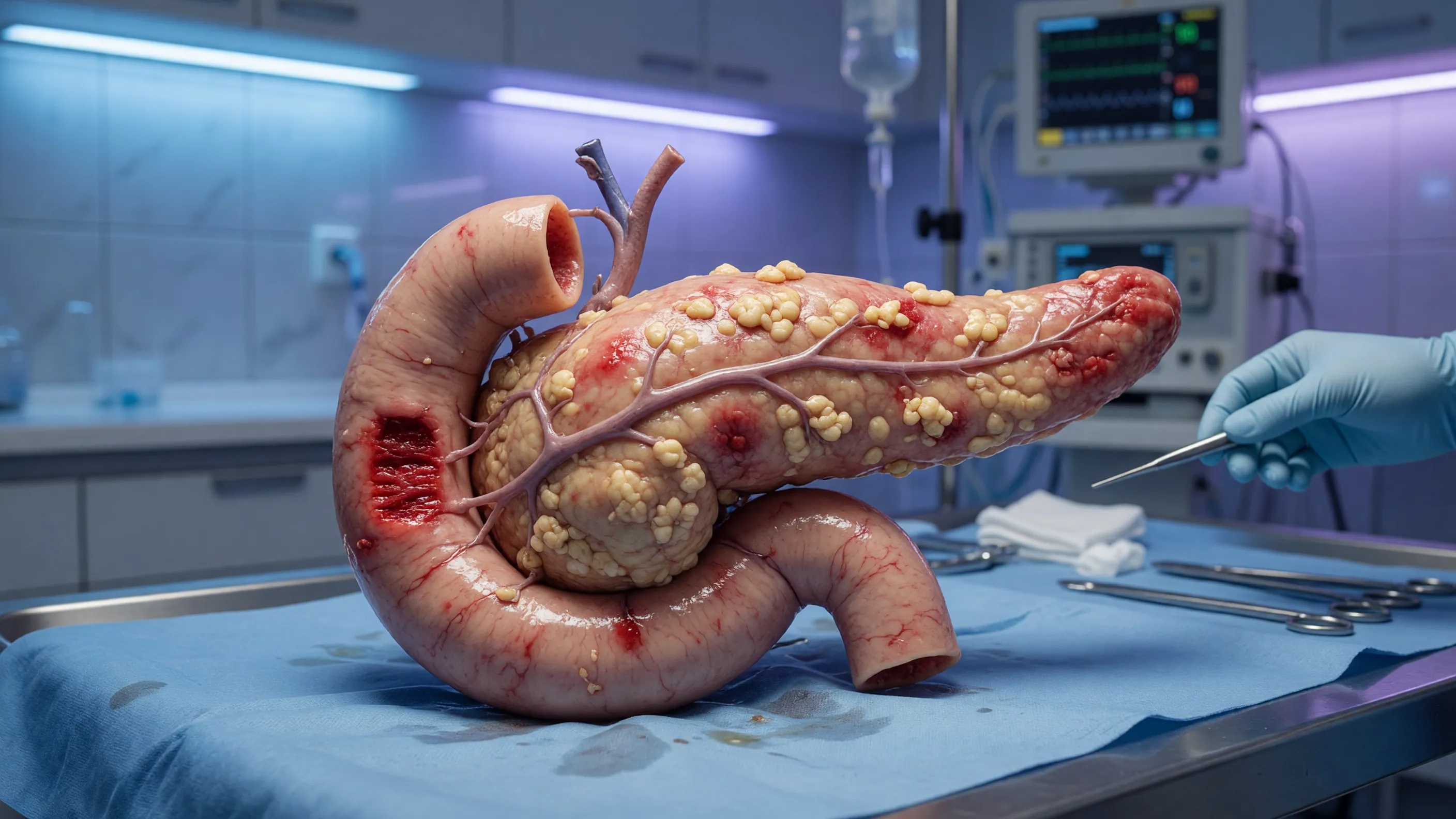
Acute pancreatitis is a sudden, short-term inflammation of the pancreas that often resolves with treatment, while chronic pancreatitis is long-lasting damage that permanently scars the organ. The key difference is duration and reversibility—acute cases can heal, chronic ones cannot. Both share pain and digestive trouble but differ in causes, complications, and care. This article explains acute vs chronic pancreatitis clearly, covering symptoms, triggers, diagnosis, and treatment options. You will also learn when to seek help and how specialists at Lux Hospitals manage both conditions effectively.
What Is Pancreatitis?
Pancreatitis is inflammation of the pancreas, the organ that produces digestive enzymes and insulin. When these enzymes activate too early, they begin damaging the pancreas itself.
Doctors classify it based on how long it lasts and how much lasting harm occurs:
- Acute — sudden, often reversible
- Chronic — long-term, progressive damage
- Both cause abdominal pain
- Both affect digestion
- Both need medical care
Experiencing severe abdominal pain? Consult the pancreas specialists at Lux Hospitals today.
What Is Acute Pancreatitis?
Acute pancreatitis appears suddenly and usually lasts a few days. With prompt treatment, the pancreas often recovers fully.
It ranges from mild to severe and life-threatening. Typical features include:
- Sudden, intense upper abdominal pain
- Nausea and vomiting
- Fever and rapid pulse
- Pain radiating to the back
- Often triggered by gallstones or alcohol
Learn more about acute pancreatitis care at Lux Hospitals.
What Is Chronic Pancreatitis?
Chronic pancreatitis is ongoing inflammation that permanently scars and weakens the pancreas over time. The damage cannot be reversed.
It gradually reduces the organ's ability to make enzymes and insulin. Common signs include:
- Persistent or recurring abdominal pain
- Weight loss and malnutrition
- Oily, foul-smelling stools
- Diabetes from insulin loss
- Often linked to long-term alcohol use
Managing long-term pancreas problems? Book a consultation at Lux Hospitals.
Key Differences at a Glance
The main distinction between acute vs chronic pancreatitis lies in duration and reversibility. Acute is short and often heals; chronic is permanent and progressive.
Here is how they compare:
- Acute — sudden onset, short duration
- Chronic — gradual onset, lifelong
- Acute — pancreas can recover
- Chronic — permanent scarring
- Acute — rarely causes diabetes
- Chronic — often causes diabetes
Comparing Symptoms
Both conditions cause abdominal pain, but the pattern differs. Acute pain is sharp and severe; chronic pain is dull and recurring.
Symptoms may include:
- Acute — sudden severe pain, vomiting
- Chronic — persistent pain, weight loss
- Acute — fever and tenderness
- Chronic — greasy stools, indigestion
- Both — nausea after eating
Don't ignore recurring abdominal pain—get evaluated at Lux Hospitals.
Common Causes of Both Types
Many causes overlap between the two forms. Gallstones and alcohol are the leading triggers.
Knowing the cause guides treatment. Frequent causes include:
- Gallstones blocking the pancreatic duct
- Long-term heavy alcohol use
- High blood triglycerides
- Certain medications
- Genetic or autoimmune factors
- Abdominal injury or trauma
Possible Complications
Untreated pancreatitis can lead to serious problems. Acute cases may become severe quickly, while chronic disease causes cumulative harm.
Complications may include:
- Pancreatic pseudocysts and fluid collections
- Infection or tissue death (necrosis)
- Diabetes from damaged cells
- Malnutrition and vitamin deficiency
- Increased pancreatic cancer risk
Protect yourself from complications—consult Lux Hospitals early.
How Pancreatitis Is Diagnosed
Diagnosis combines symptoms, blood tests, and imaging. Doctors check enzyme levels and scan the pancreas.
Common diagnostic tools include:
- Blood tests for amylase and lipase
- CT or MRI scans
- Abdominal ultrasound
- Endoscopic ultrasound (EUS)
- ERCP for duct evaluation
- Stool tests for enzyme function
Treatment Options at Lux Hospitals
Treatment depends on severity and type. Mild acute cases need rest, fluids, and pain control, while complex cases require procedures.
Options at Lux Hospitals include:
- ERCP bile duct stone removal
- Endoscopic pancreatic duct stenting
- Drainage of pancreatic fluid collections
- Frey procedure for chronic pain
- Distal pancreatectomy when needed
Explore advanced pancreatitis treatments at Lux Hospitals.
Prevention and Lifestyle Tips
You can lower your risk with simple habits. Protecting the pancreas is easier than reversing damage.
Helpful steps include:
- Avoid or limit alcohol
- Treat gallstones promptly
- Eat a low-fat, balanced diet
- Stay hydrated daily
- Control triglycerides and diabetes
- Stop smoking
Why Choose Lux Hospitals?
Lux Hospitals offers expert, multidisciplinary care for both acute and chronic pancreatitis. Our team uses advanced endoscopic and surgical techniques.
Patients benefit from:
- Experienced pancreas and GI specialists
- Advanced imaging and diagnostics
- Minimally invasive procedures
- Personalized treatment plans
- Comprehensive follow-up care
Get expert pancreas care—schedule your visit at Lux Hospitals today.
Conclusion
Understanding acute vs chronic pancreatitis helps you recognize warning signs and seek timely care. Acute pancreatitis strikes suddenly and often heals, while chronic pancreatitis causes gradual, permanent damage that needs long-term management. Both share pain and digestive issues, but their causes, complications, and treatments differ.
Early diagnosis makes a real difference. Whether you face a sudden attack or ongoing symptoms, prompt medical attention can prevent complications and protect your pancreas. The specialists at Lux Hospitals provide advanced diagnosis, endoscopic procedures, and surgical care tailored to each patient. If you notice persistent abdominal pain, unexplained weight loss, or digestive changes, don't wait—consult our experienced team for effective, compassionate treatment.