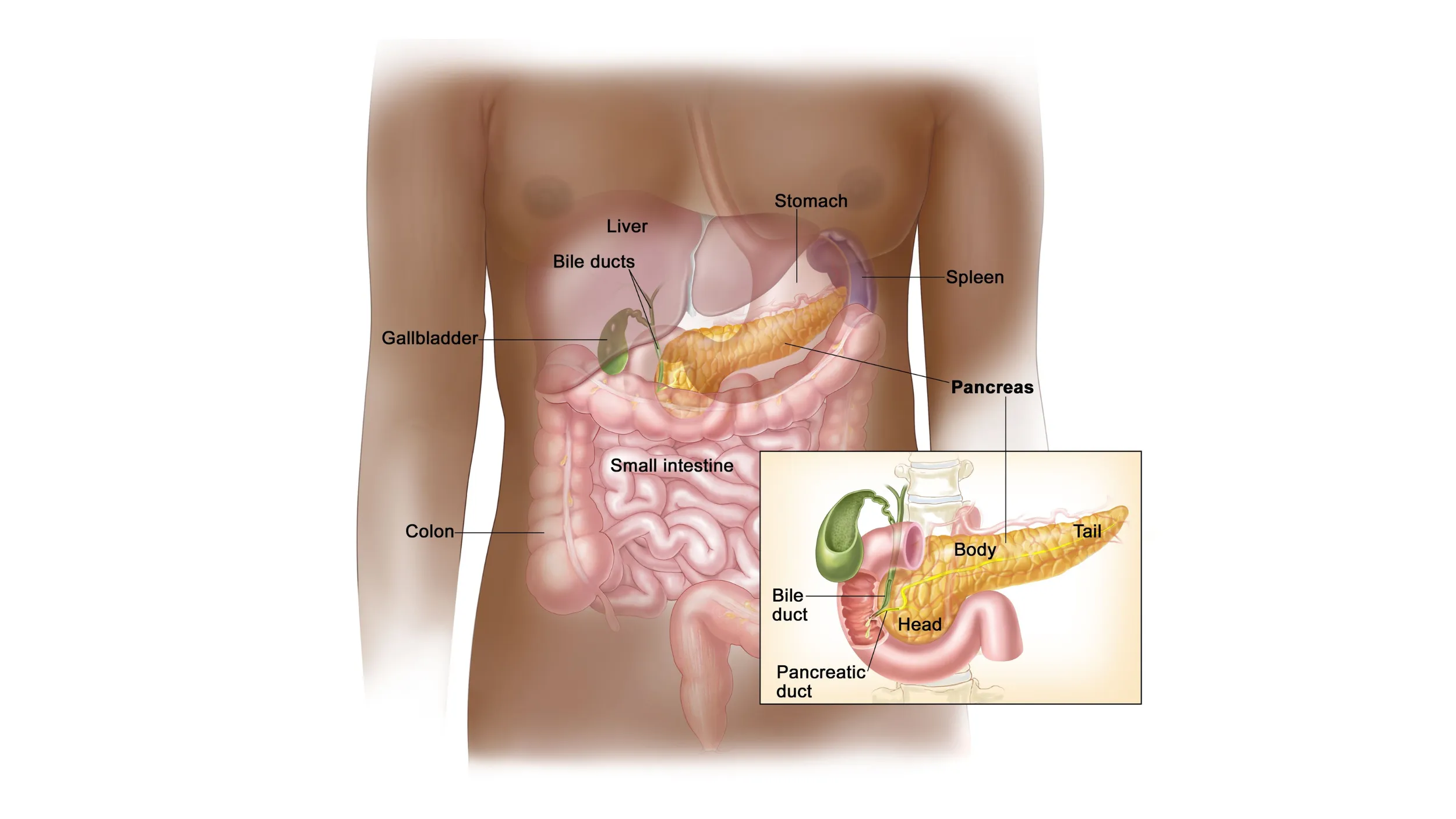
Pancreatic Neoplasms are abnormal growths in the pancreas that can be benign or malignant. Early detection is crucial as symptoms often appear late, making diagnosis challenging. With medical advances, patients have better treatment options and outcomes. Under Dr Tagore Mohan Grandhi, patients receive accurate diagnoses and personalised treatment for better recovery and quality of life.
What Are Pancreatic Neoplasms?
Pancreatic Neoplasms are tumours in the pancreas, either benign (non-cancerous) or malignant (cancerous). The pancreas is vital for digestion and blood sugar regulation, so any abnormal growth can disrupt essential functions.
Key Points:
- Benign tumours: Usually slow-growing and less harmful
- Malignant tumours: Aggressive and can spread to other organs
- Often detected late due to minimal early symptoms.
- Require imaging tests like a CT scan, an MRI, or a biopsy for diagnosis.
Early detection significantly improves treatment success rates.
You can receive an accurate diagnosis and timely care for pancreatic conditions. Consult Dr Tagore Mohan Grandhi for an expert evaluation.
Types of Pancreatic Neoplasms
Understanding each type helps determine the right treatment.
1. Exocrine Tumours
These are the most common Pancreatic Neoplasms, including pancreatic adenocarcinoma. They originate from cells that produce digestive enzymes.
2. Neuroendocrine Tumours (NETs)
These rare Pancreatic Neoplasms arise from hormone-producing cells and may grow more slowly than exocrine tumours.
3. Cystic Neoplasms
Fluid-filled tumours that may be benign or malignant. Some types include:
- Serous cystadenomas (usually benign)
- Mucinous cystic neoplasms (potentially cancerous)
4. Solid Pseudopapillary Tumours
Rare and typically affect younger individuals, with a better prognosis if treated early.
Each type requires a tailored treatment plan based on behaviour and stage.
Each tumour is unique, and so should your treatment be. Consult Dr Tagore Mohan Grandhi for personalised care.
Symptoms of Pancreatic Neoplasms
Symptoms often appear in advanced stages, so awareness is critical.
Common Symptoms:
- Persistent abdominal or back pain
- Unexplained weight loss
- Loss of appetite
- Jaundice (yellowing of skin and eyes)
- Nausea and vomiting
- Changes in stool or digestion
Warning Signs to Watch:
- Sudden onset of diabetes without a clear cause
- Fatigue and weakness
- Dark urine or pale stools
Recognising these signs early helps detect Pancreatic Neoplasms before complications.
Early recognition and prompt action may greatly improve outcomes. Consult Dr Tagore Mohan Grandhi for expert guidance.
Causes and Risk Factors
While the exact cause of Pancreatic Neoplasms is not always clear, several risk factors increase the likelihood of developing them.
Major Risk Factors:
- Smoking
- Chronic pancreatitis
- Family history of pancreatic cancer
- Obesity
- Diabetes
- Genetic mutations
Lifestyle Factors:
- Poor diet
- Lack of physical activity
- Excess alcohol consumption
Managing these risks can help reduce the chances of developing Pancreatic Neoplasms.
Diagnosis of Pancreatic Neoplasms
Accurate diagnosis of Pancreatic Neoplasms involves a combination of clinical evaluation and advanced imaging techniques.
Diagnostic Methods:
- CT Scan and MRI
- Endoscopic Ultrasound (EUS)
- Biopsy
- Blood tests (tumour markers like CA 19-9)
Early diagnosis provides better outcomes and more treatment options.
You can receive an early, precise diagnosis with modern technology. Consult Dr Tagore Mohan Grandhi for expert evaluation.
Treatment Options for Pancreatic Neoplasms
Treatment depends on tumour type, size, and stage.
1. Surgery
The most effective treatment for localized Pancreatic Neoplasms. Procedures include:
- Whipple procedure
- Distal pancreatectomy
- Total pancreatectomy
2. Chemotherapy
Used to kill cancer cells or shrink tumours before surgery.
3. Radiation Therapy
Targets and destroys cancer cells using high-energy beams.
4. Targeted Therapy
Focuses on specific cancer cell mechanisms with fewer side effects.
5. Palliative Care
Improves quality of life in advanced cases of Pancreatic Neoplasms.
A multidisciplinary approach ensures comprehensive patient care.
Prevention Tips
Not all Pancreatic Neoplasms can be prevented, but healthy habits can reduce risk.
Preventive Measures:
- Quit smoking
- Maintain a healthy weight.
- Eat a balanced diet
- Exercise regularly
- Manage diabetes effectively
Regular health check-ups may aid in early detection of Pancreatic Neoplasms.
Conclusion
Pancreatic neoplasms can be complex and often go unnoticed until advanced stages, making awareness and early detection extremely important. Understanding the different types, recognising warning signs, and addressing risk factors can significantly improve outcomes. With timely diagnosis and a personalised treatment approach, many patients can achieve better recovery and quality of life. If you experience any concerning symptoms, seeking expert medical guidance without delay can make a life-saving difference.